Castles

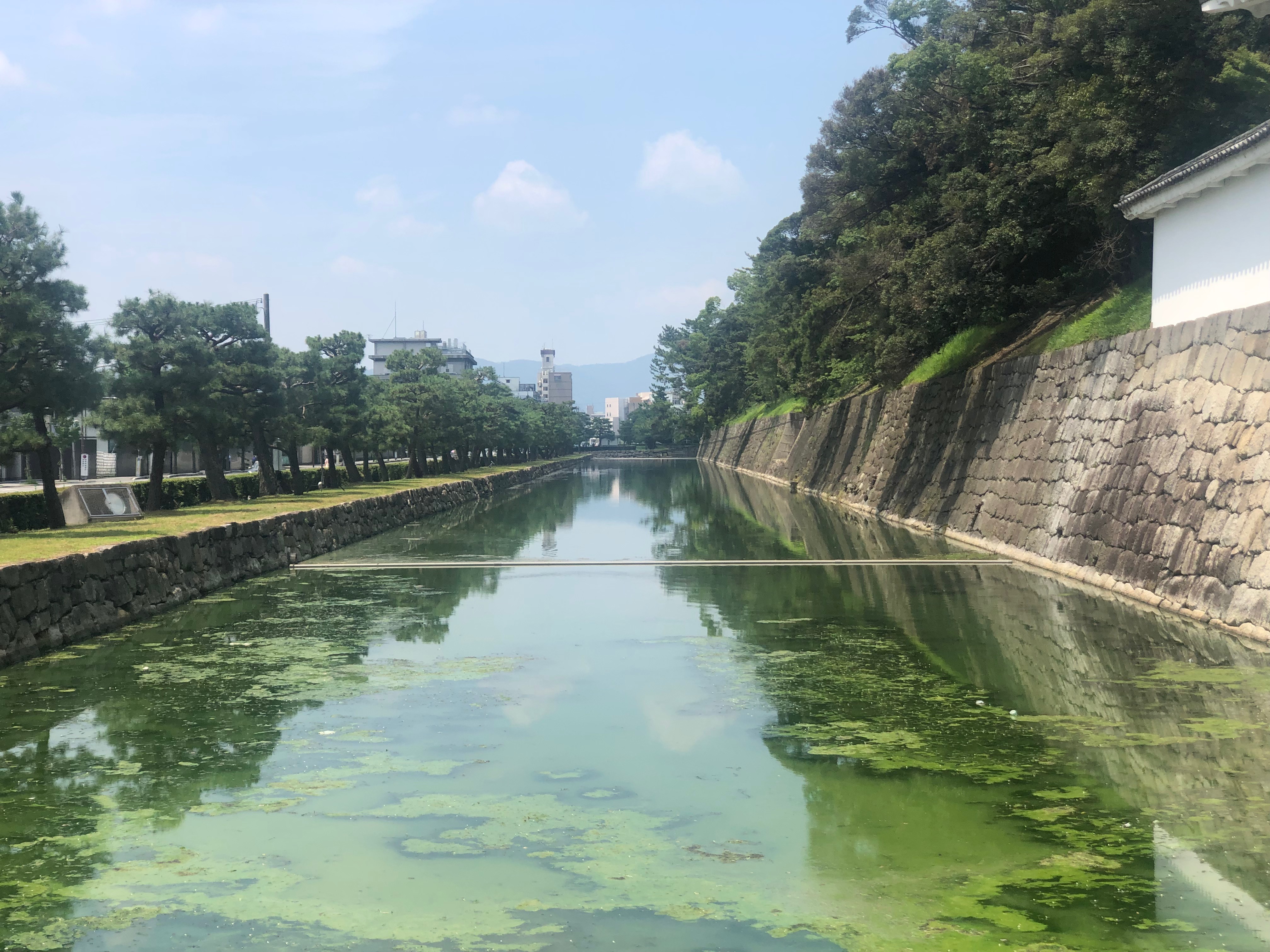
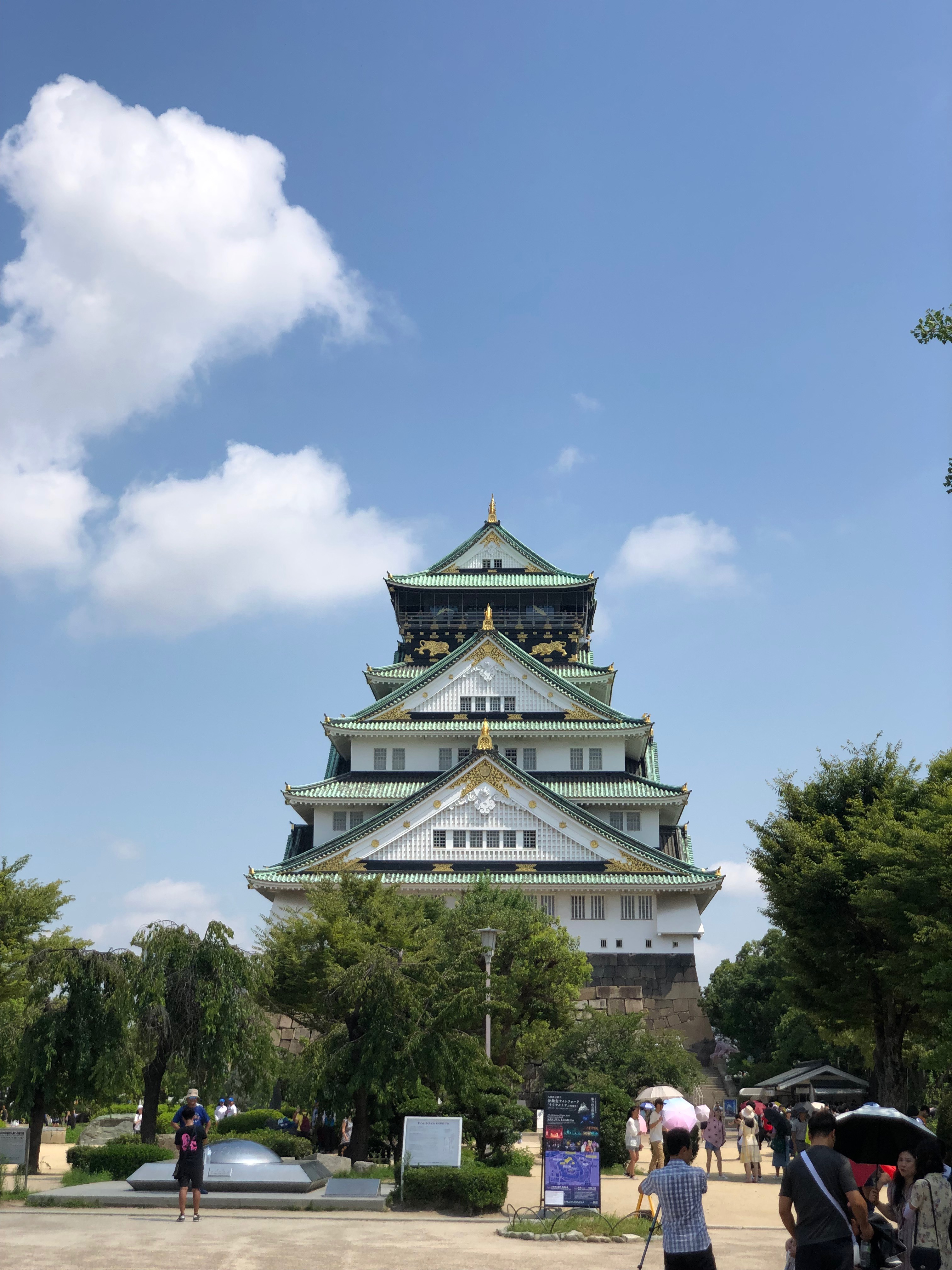
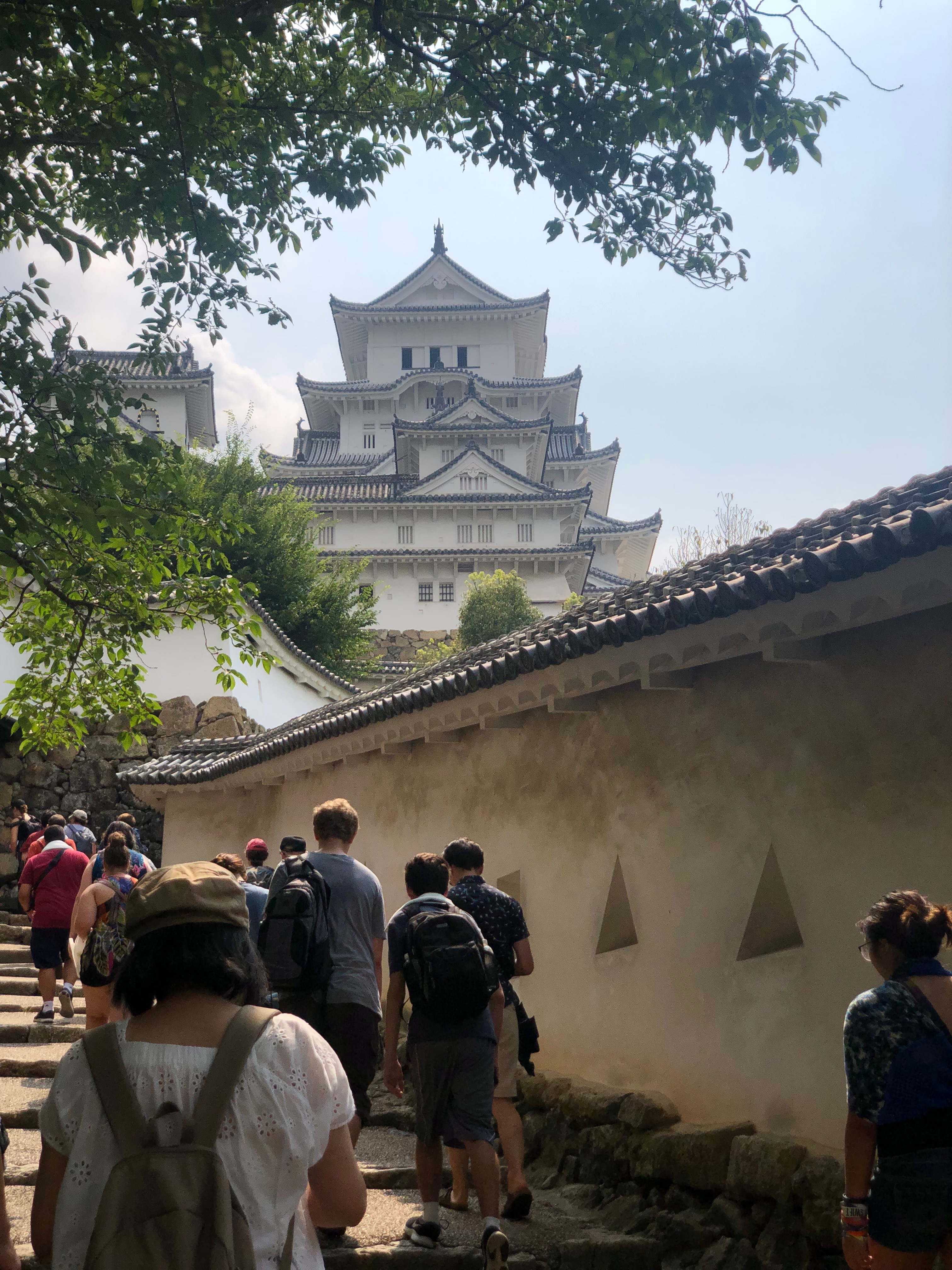
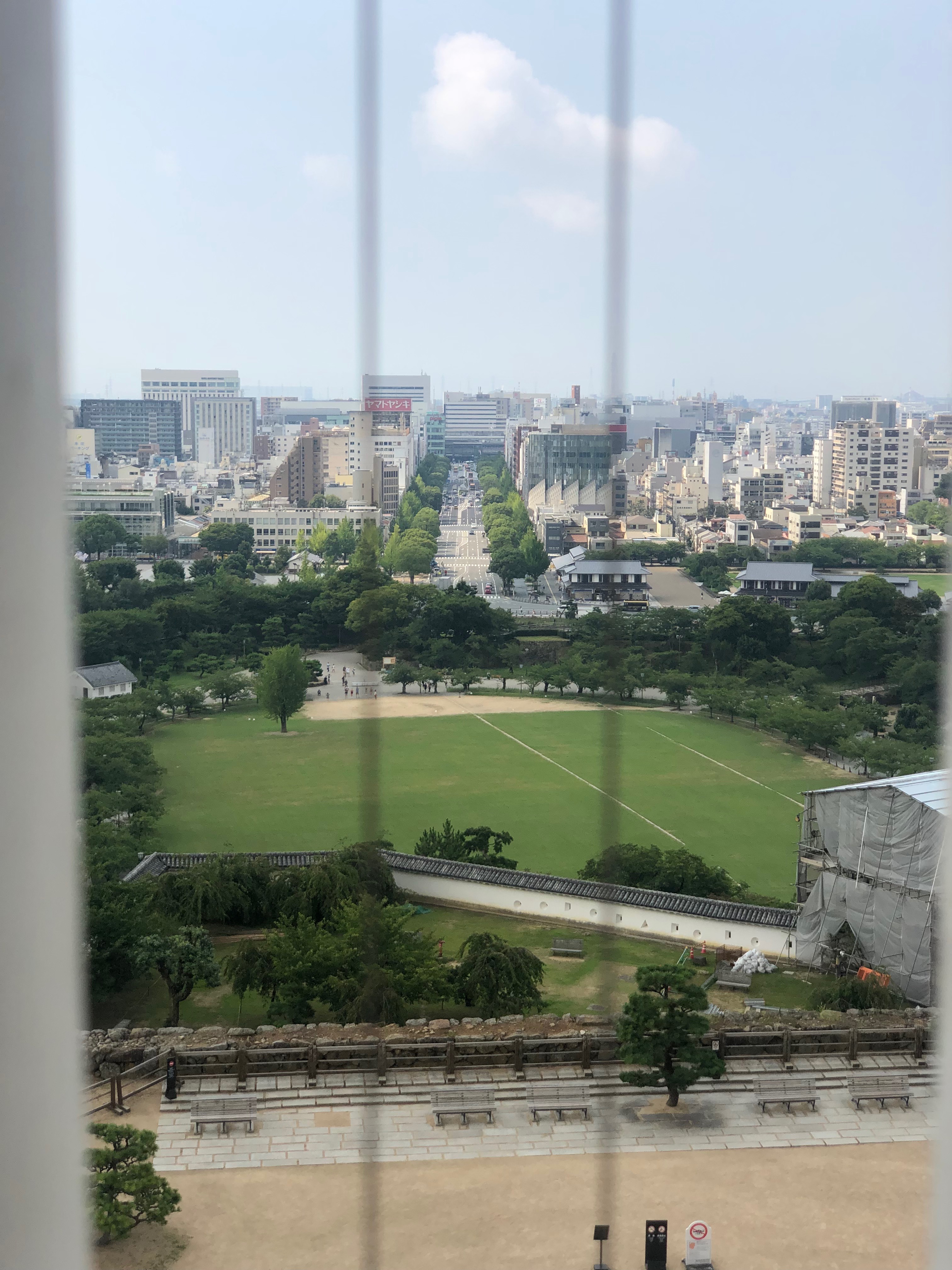
Our first week in Kyoto included many excursions, which included three castles. In order, they were Nijo castle, Osaka castle and Himeji castle. All three castles are essentially now museums, where each castle has been repurposed to showcase the inside of each castle and the history behind it.

Nijo castle was the least grand out of the three, as it used to be a place for the shogun to reside when visiting the court. Despite this, it was still great to see all the decorations inside the castle as well as all the detail that went into it, which meant that at the time it still felt grand as it was our first castle visit.
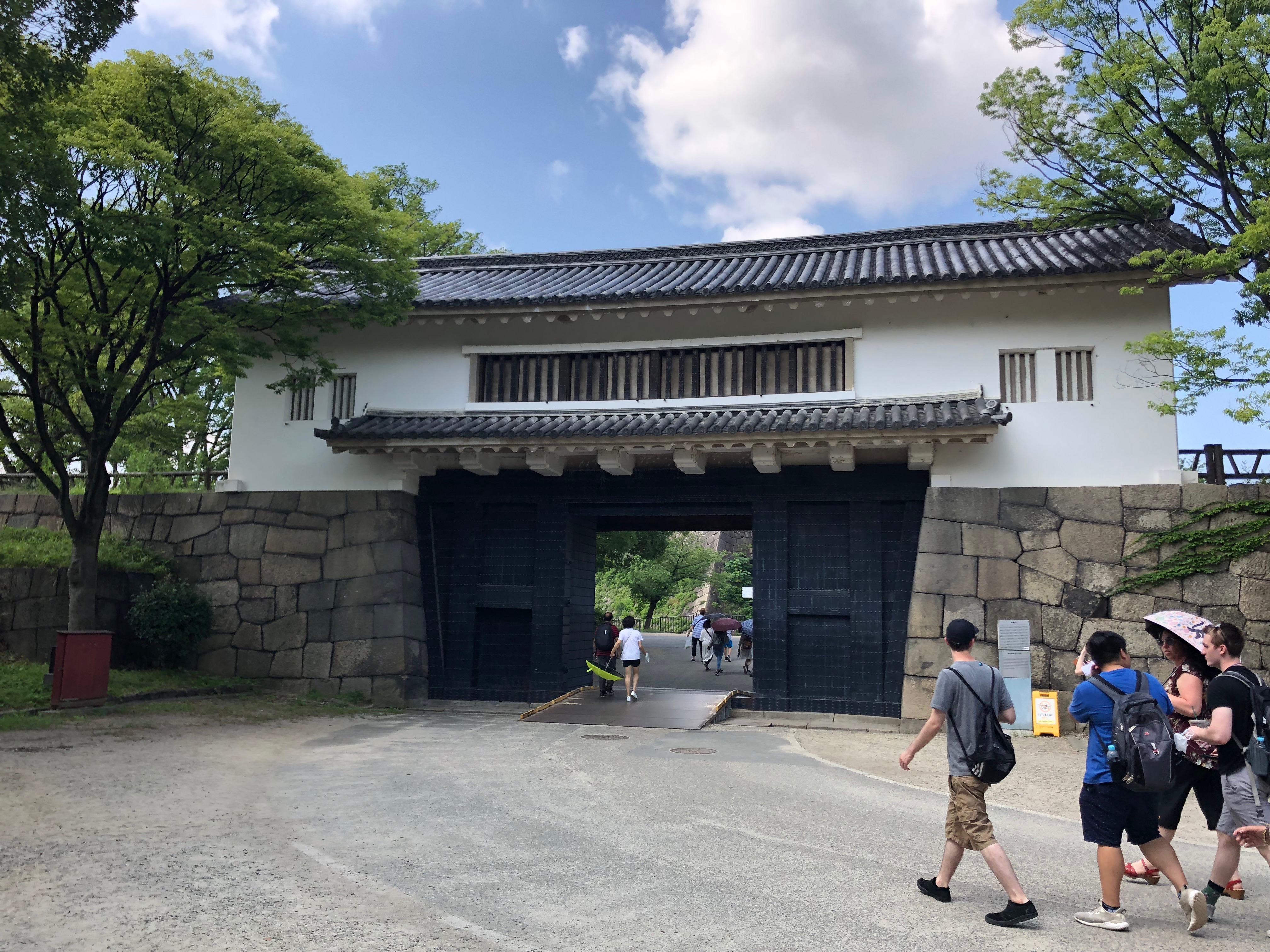
Being a castle, it was interesting to see the protection strategies employed. Outside of the castle, there were the castle gates and moat, both of which served to make it difficult for attackers to enter the castle. However, once inside, there was little defenses and one could clearly see and enter the castle. What I did find interesting, however, was the fact that visitors to the castle would have clothing of different lengths. These lengths usually were much longer than normal, meaning that the clothing would be dragging on the floor, making it easier to trip any would be attackers who were visiting.
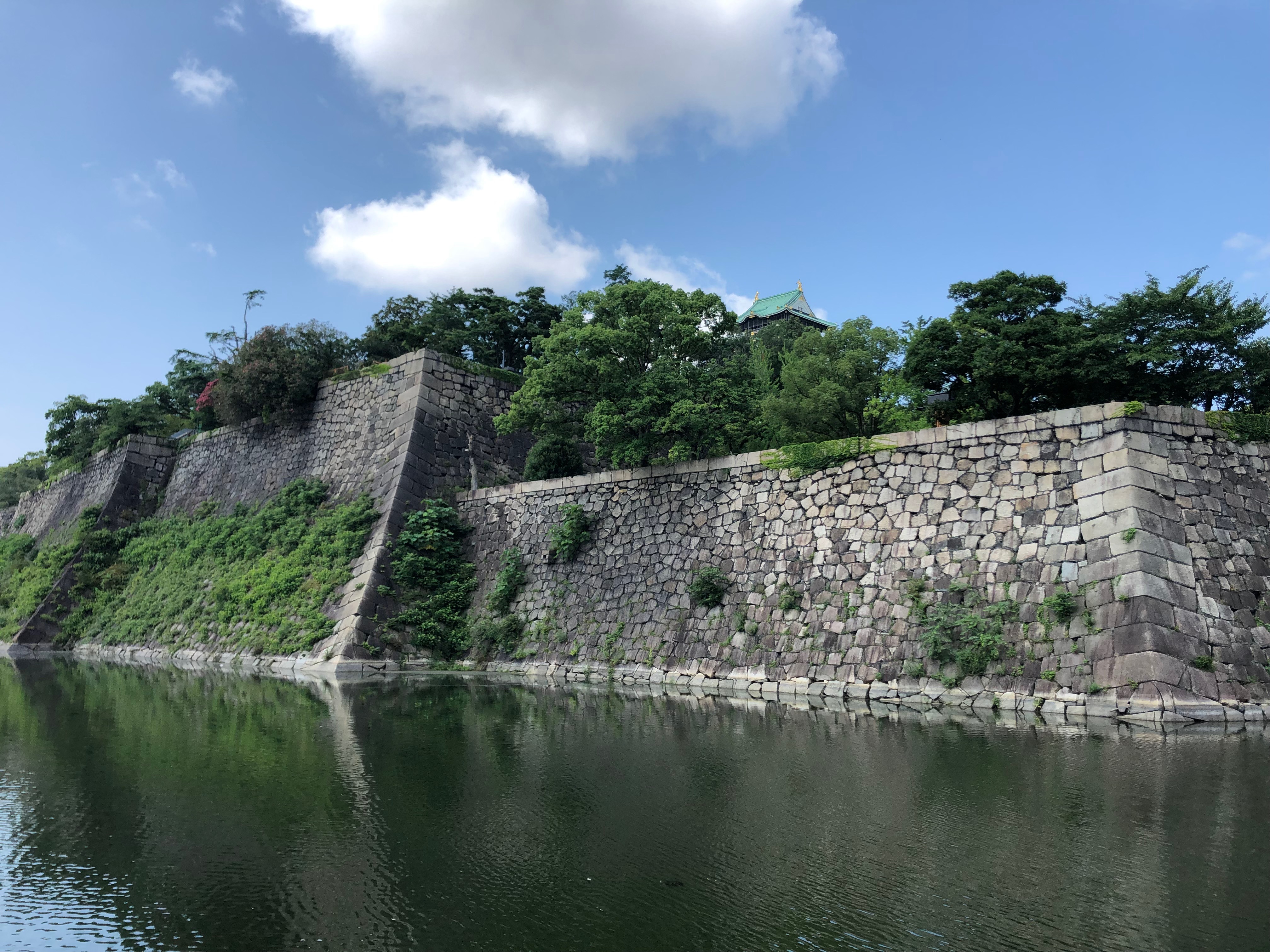
Osaka castle was vastly different as it not only has been rebuilt to be an air-conditioned museum, it was also much more militarized and grander as well. This castle is clearly much more militarized due to its inclusion of both an outer and inner moat and also just the much larger scale of the castle and its surroundings, meaning attackers would have to cover much more ground and move up a hill before they could even reach the castle, which is not fun at all, especially in the summer heat. Just this fact alone makes it much harder to attack this castle, but not impossible, as the castle did have to be rebuilt after it collapsed in defeat. The grandness of the castle can already be noticed just from looking at the castle alone, as it seems to rise up above everything else with its height on top of a hill. The design of the castle is also vastly different, with clearly much more manpower required to design and build this castle, increasing its grandness.
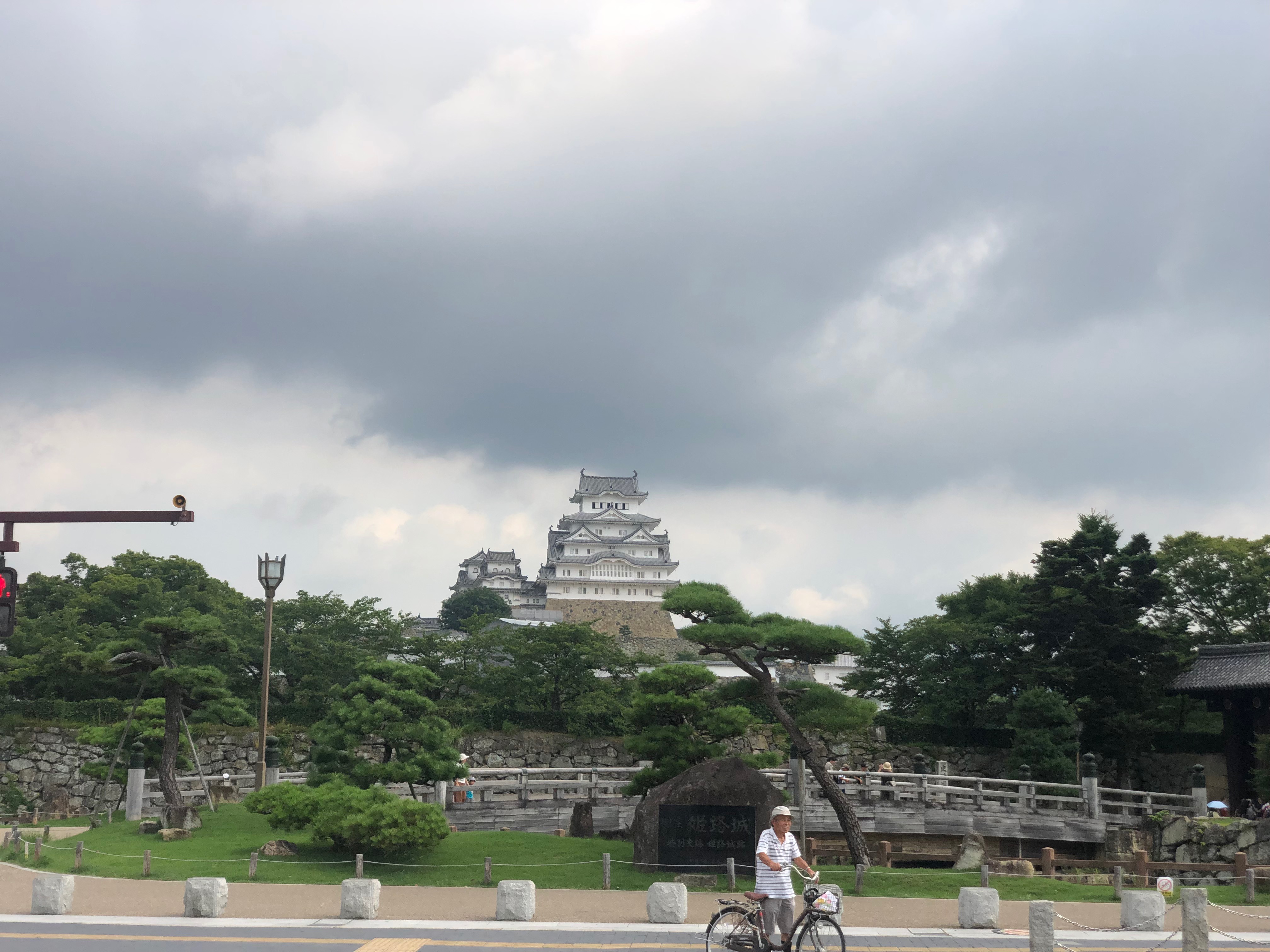
The last castle we visited was Himeji castle and in my opinion, this was the grandest and most militarized castle of all. As mentioned in class, it is important to note that this castle was built to be very difficult to attack and as such has had many different defensive measures but has never seen battle, unlike Osaka castle. Similar to Osaka castle, Himeji castle is placed on a hill with large castle grounds, but what makes this castle even more difficult and confusing to attack is that you seem to be walking away from the castle when you try to get close. As seen in the photo above, the castle is right in front of you, but you need to walk perpendicular to the castle in order to enter by crossing the bridge over the moat. Along the path to the castle and in the castle themselves, there were also many holes in the wall to allow for archers to defend the castle from afar and in the castle itself, there were many areas where spears and swords could be placed on the walls for easy access when it comes to defending. All of these features meant attacking the castle was very difficult and cold be a reason why Himeji castle was never attacked. While Himeji castle may look similar to Osaka castle, Himeji is the grandest of the three to me because it hasn’t been rebuilt but also because of the design and thought that went to every part of the castle including the castle grounds.

Atkins, E. Taylor. “Floating worlds—the birth of popular culture in Japan.” A History of Popular Culture in Japan: from the Seventeenth Century to the Present, Bloomsbury Academic, 2017, pp. 33-58.
Hallyu Wave in Japan

Korea’s Hallyu Wave has spread all over the world, especially in South East Asia. This is no coincidence and is part of the Korean’s government attempt to deploy their own soft power. As such, it is no surprise that K-pop has grown to be part of Japanese popular culture in current times.

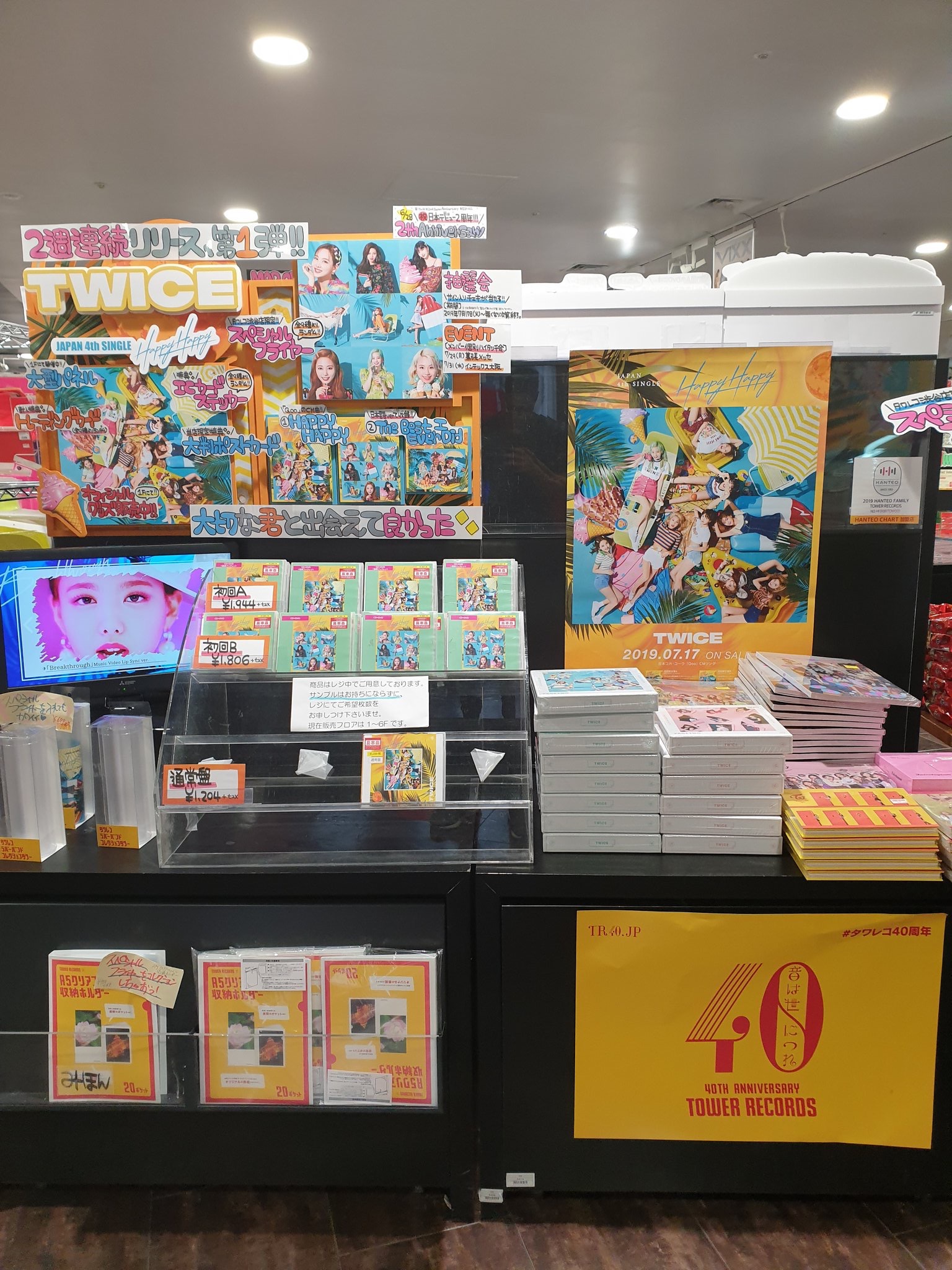
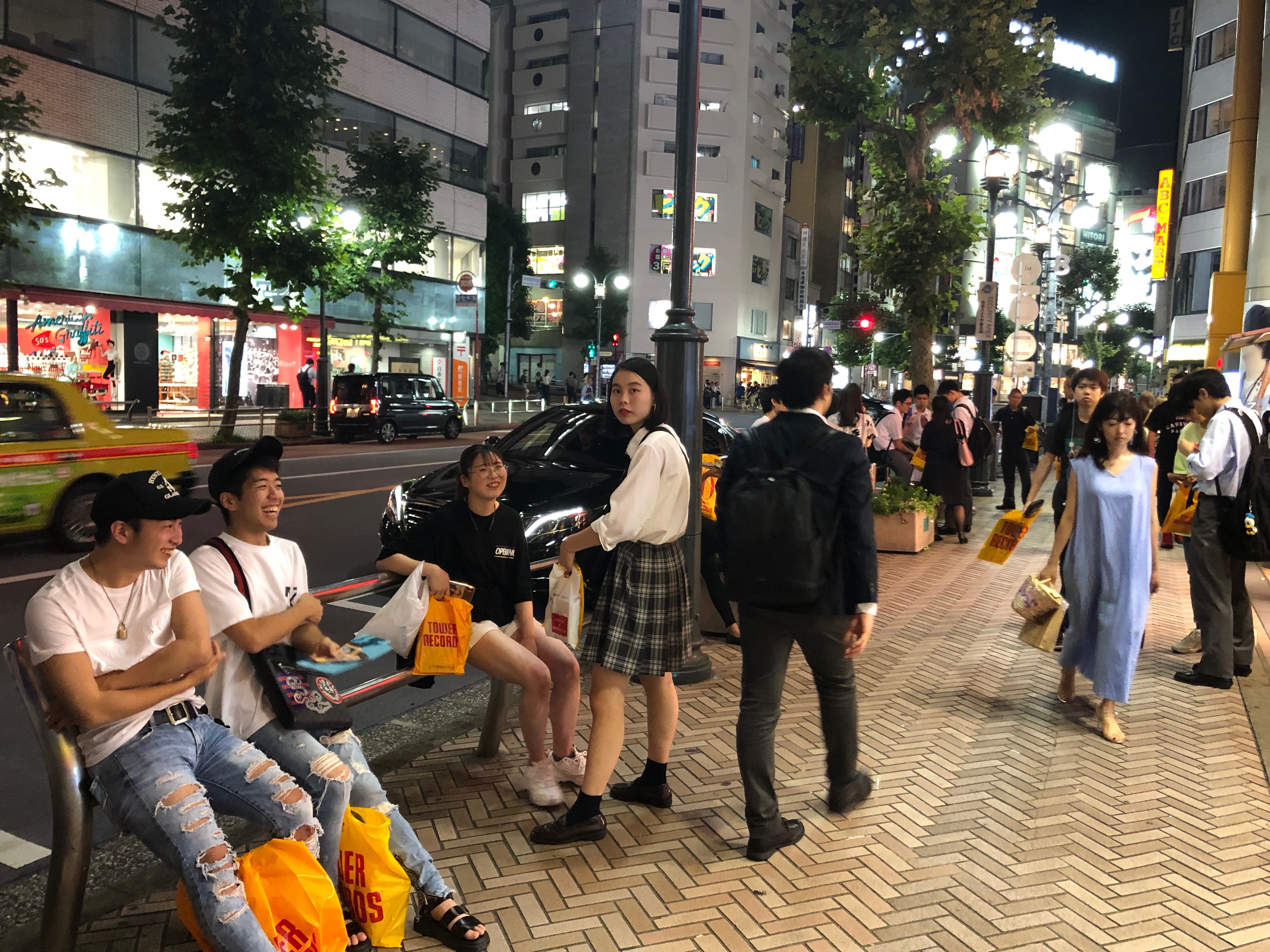
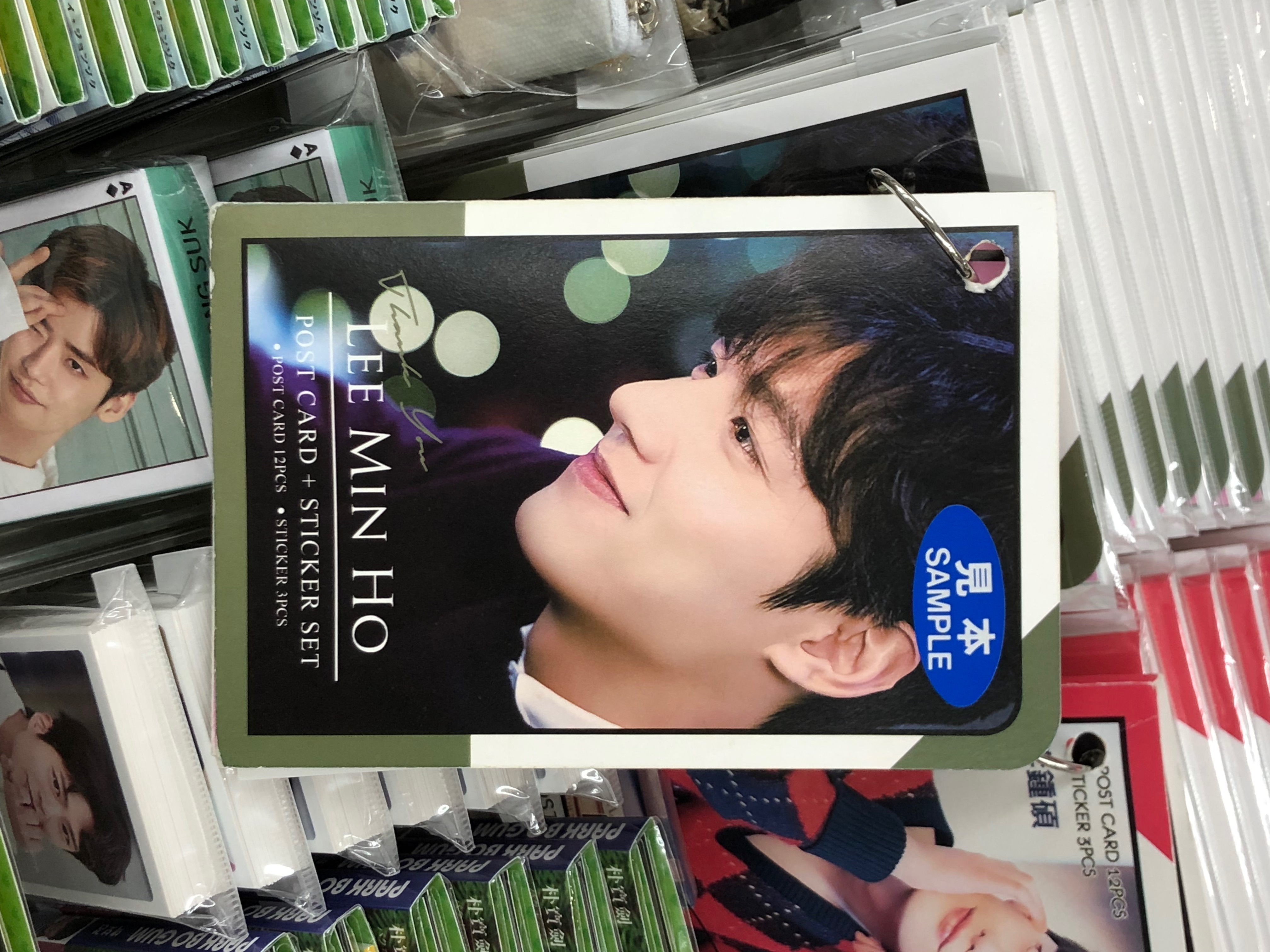
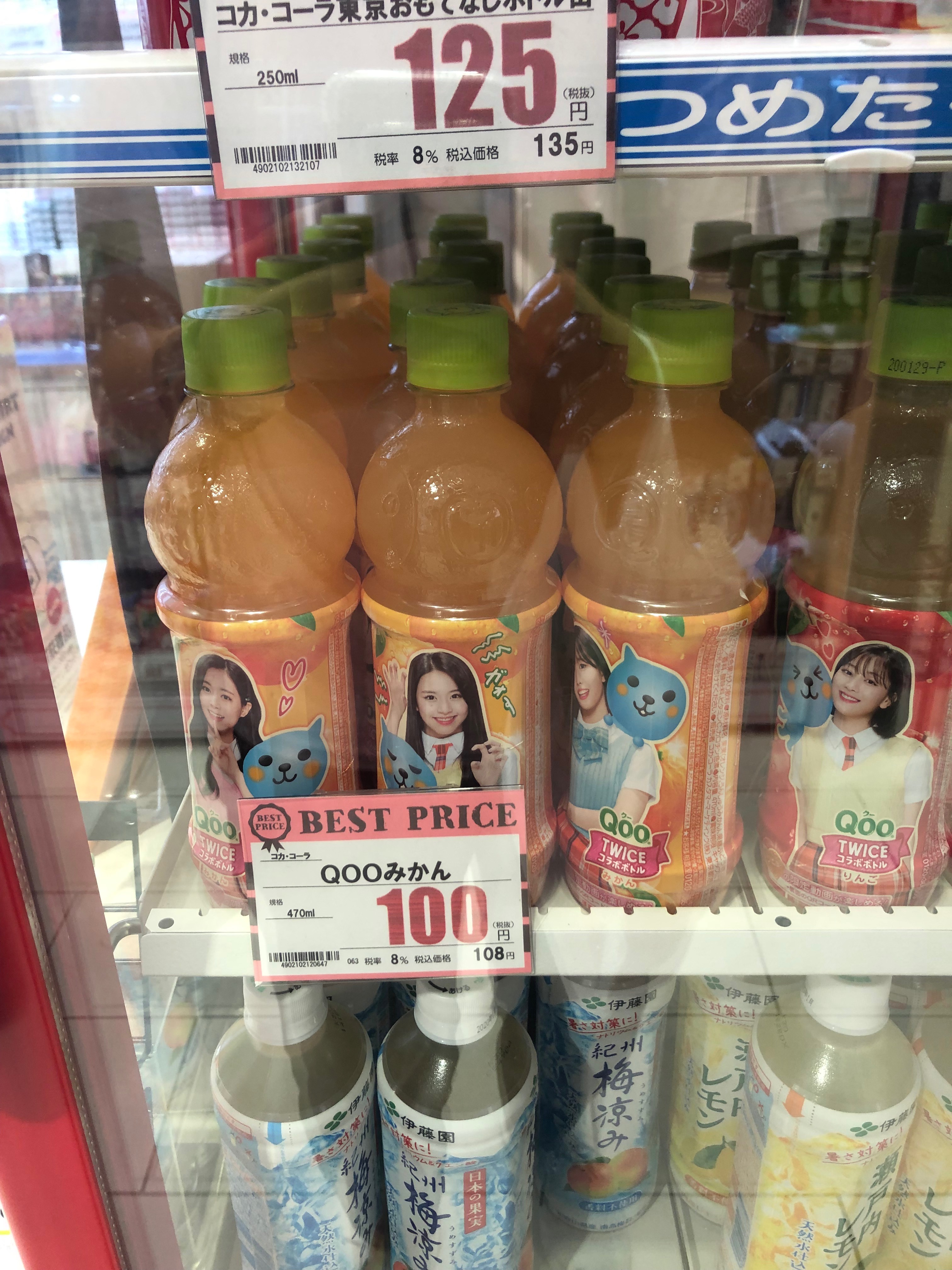
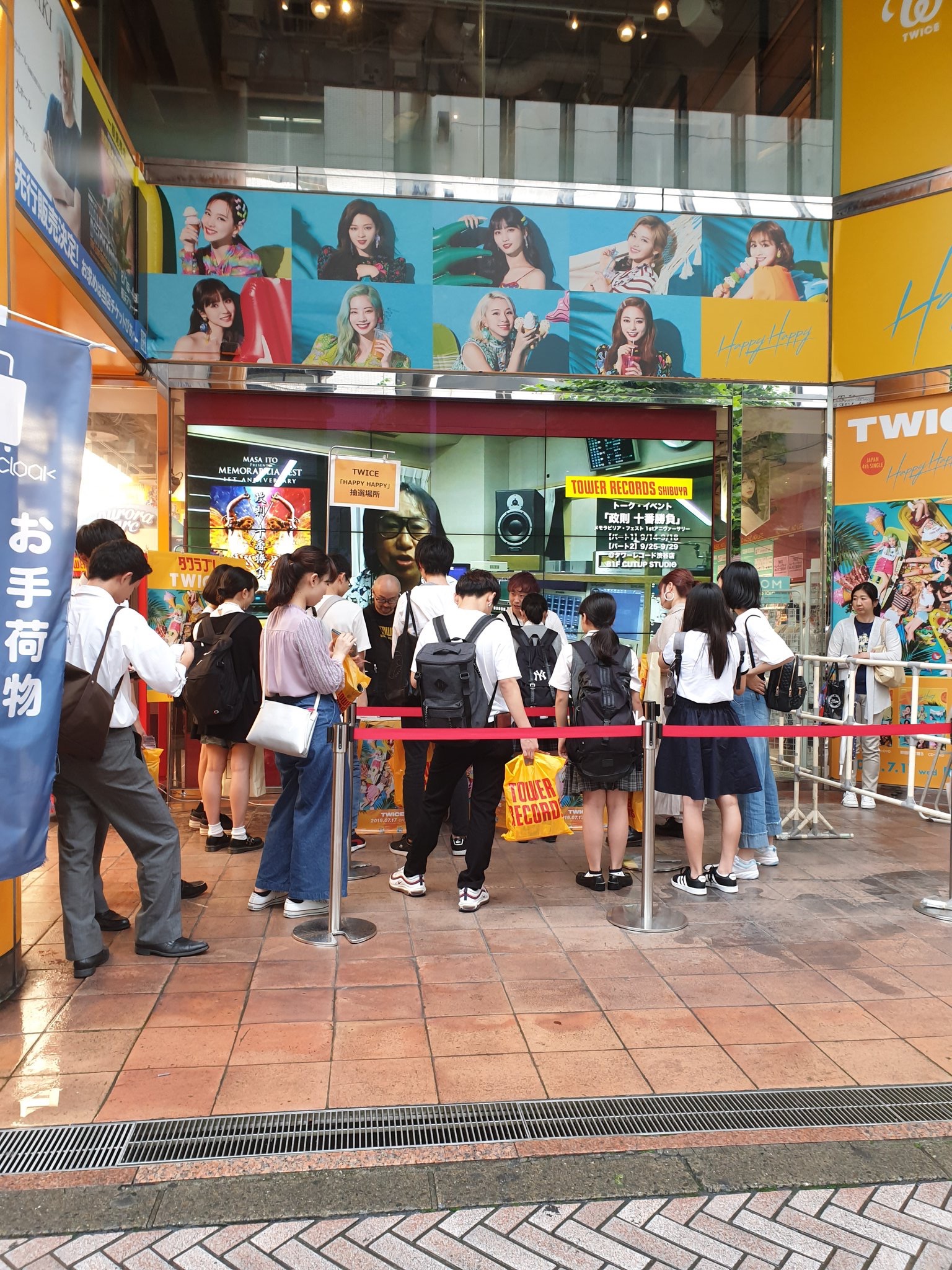
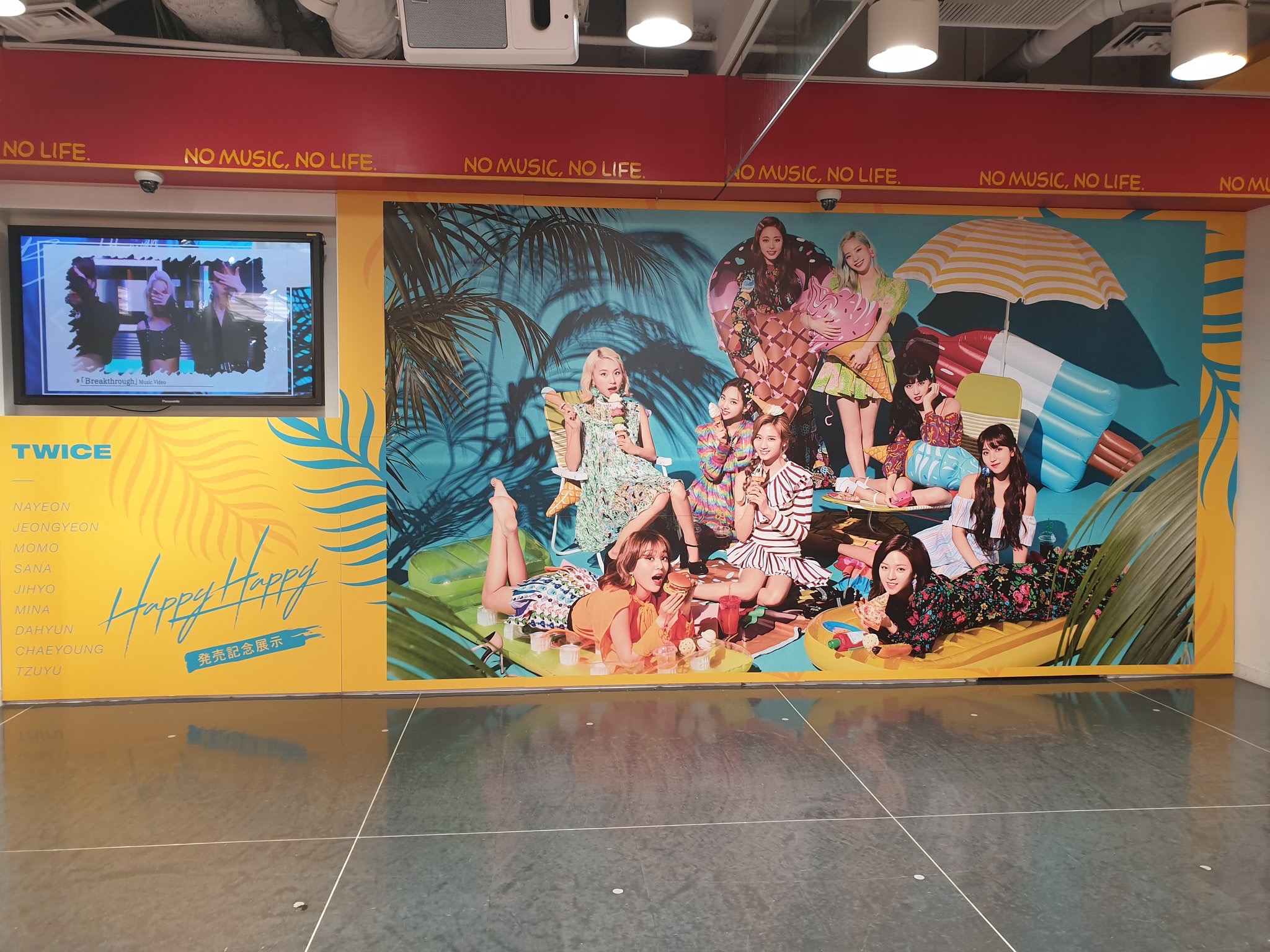
\This was evident upon entering any Tower Records store in Japan. In my few weeks here, I’ve visited Tower Records in Shibuya, Shinjuku and Hiroshima and in each one of these stores, there has always been at least a single floor or section dedicated for K-pop. These sections were also usually pretty crowded, especially when I visited the Tower Records in Shibuya when Twice, a K-pop group, were releasing new songs. There were many people there buying multiple copies of albums, buying Twice related merchandise or collecting preorders for the extra goodies that are included such as a plush for your bag and IC card stickers. Most of the people in line seemed to be high school students and young adults, as there were some people still in uniform. Outside of the building, there were multiple people selling or trading photocards of each member from the group, further showing how much K-pop is ingrained in Japanese popular culture.

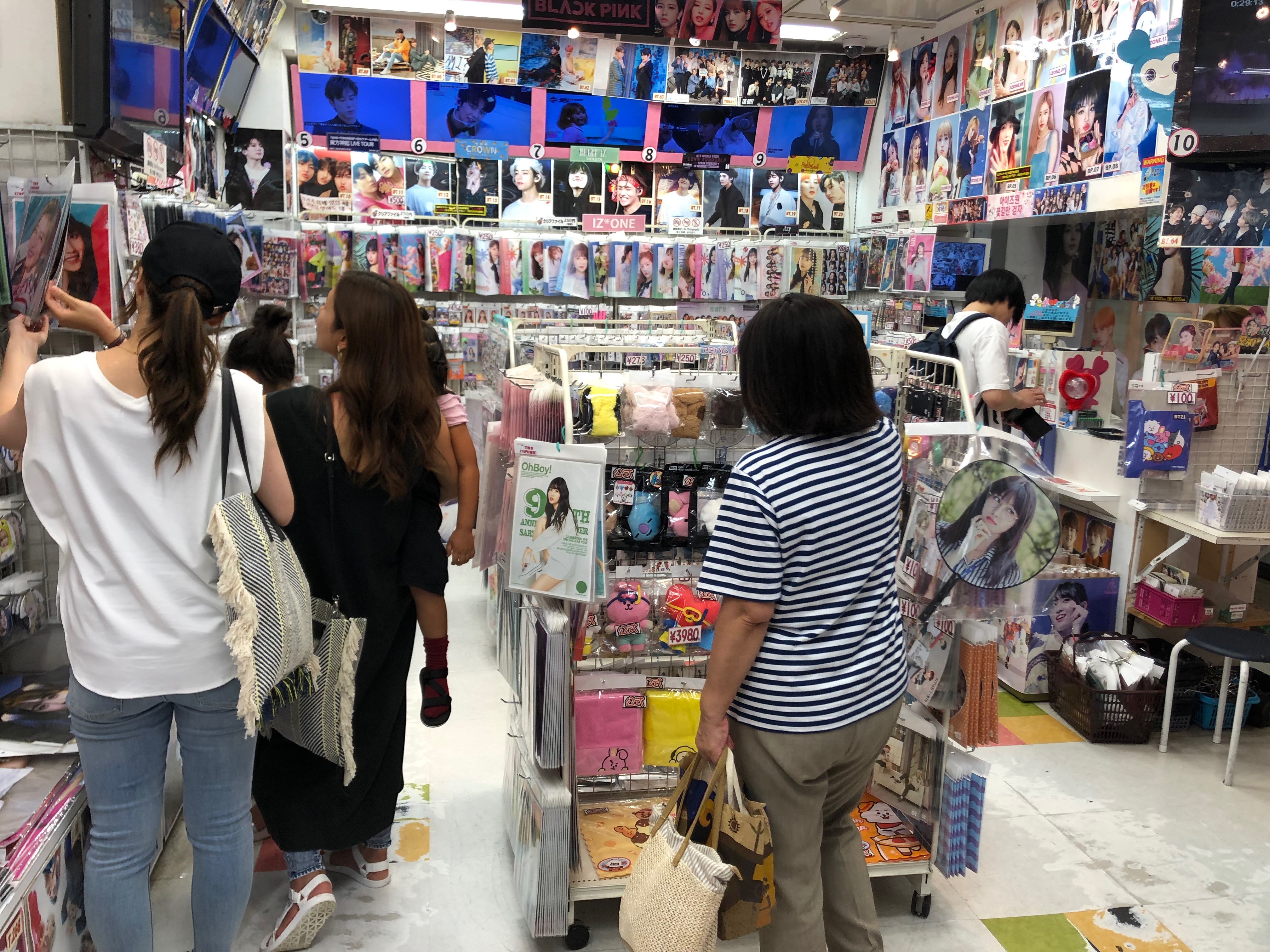
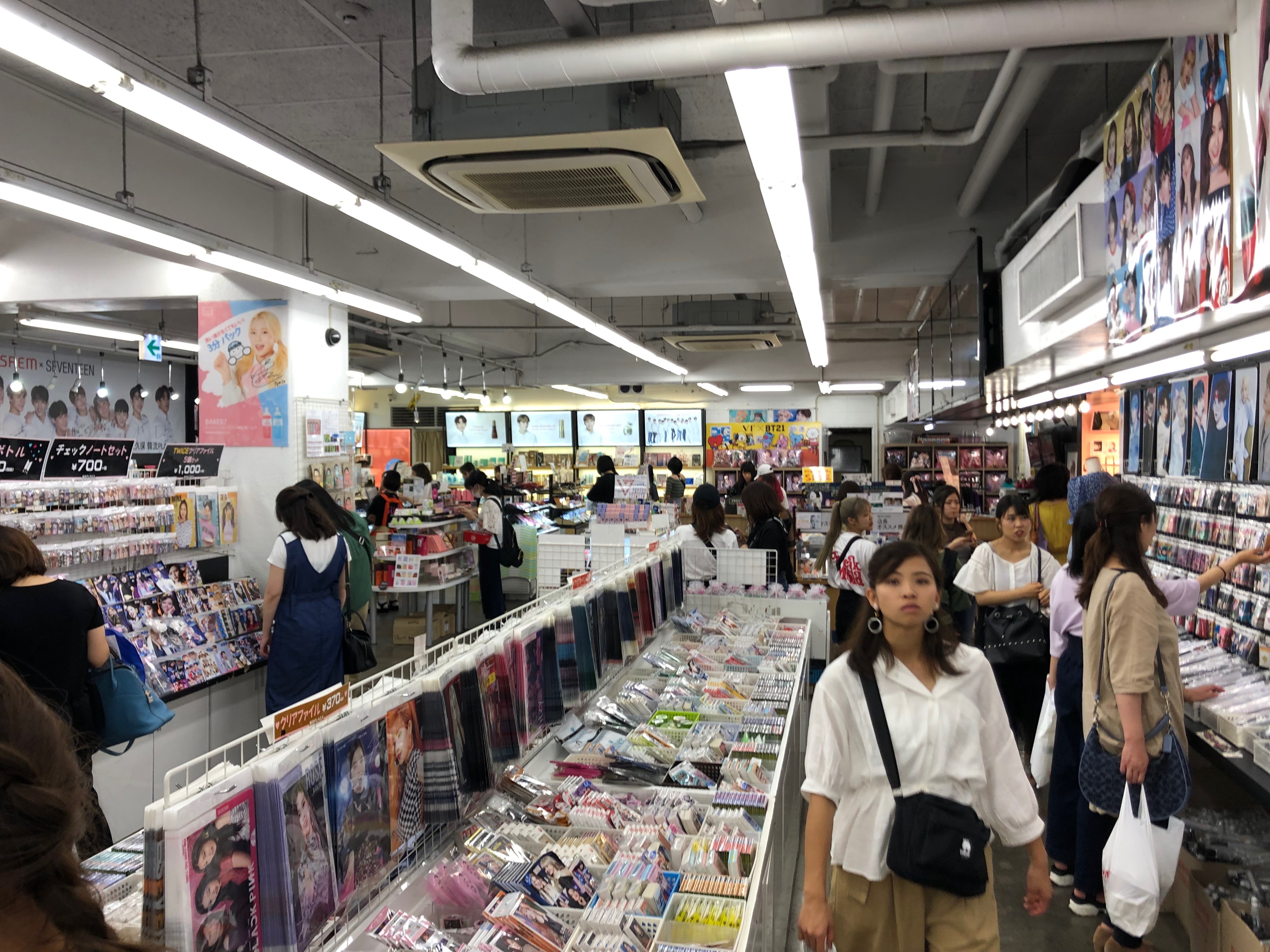
In my two weeks in Tokyo, I spent an afternoon in Shin-Okubo, the Koreatown of Japan. The fact that a Koreatown exists is already a sign that the Hallyu Wave has entered Japan and the number of people visiting this short street signals the immense popularity of Hallyu Wave in Japan and Asia. Just on this short street alone, there were countless idol stores, Korean Fried Chicken stores, Korean snack stores, Korean street food stores and Korean cosmetic stores. Similar to Tower Records, most of the people on this street were students and young adults, but there was a larger amount of older people in their 50’s and higher, although this may just be due to the fact that stores other than K-pop stores exist on this street.

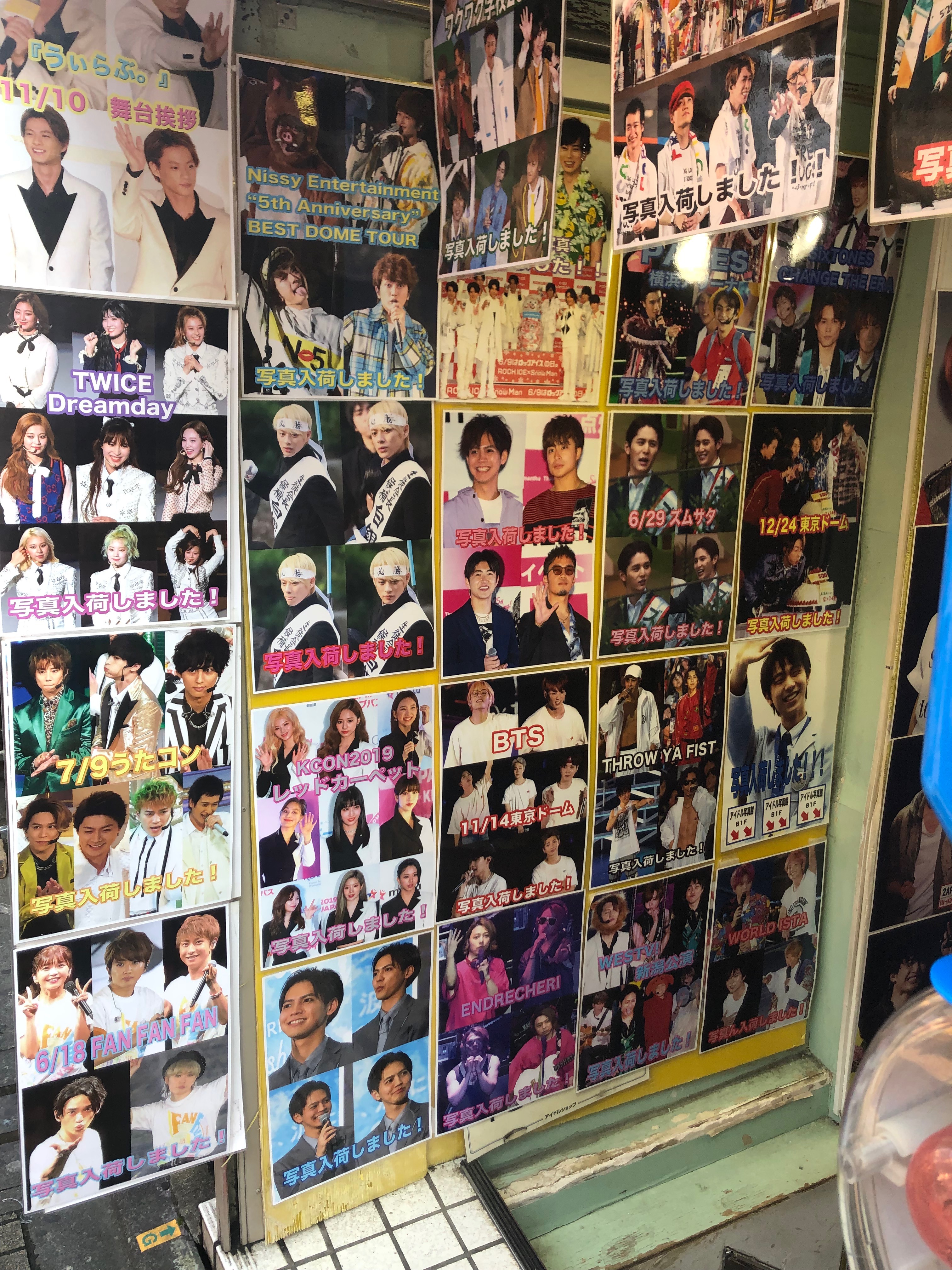
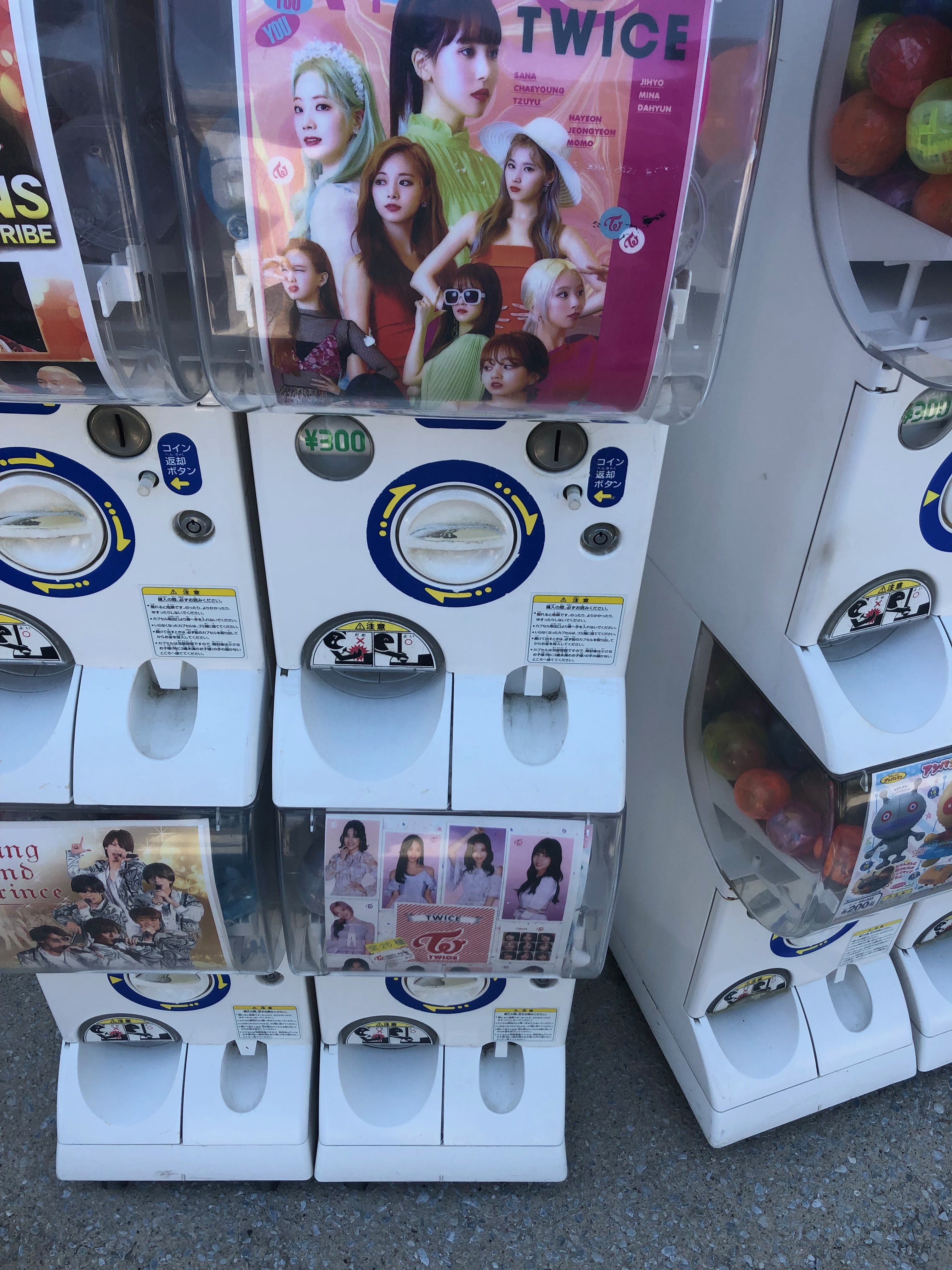
Given that both places above were designed to showcase K-pop, it is no surprise a lot of K-pop fans will flock to said locations. As such, it was surprising to see evidence of the Hallyu Wave in places such as Harajuku and especially Miyajima. Harajuku is the less surprising of the two, as it is catered to an audience of middle school girls, who are part of the K-pop audience as well. Within Harajuku, stores selling BTS and Twice merchandise can be found, as well as a shop that sold specifically photos of idols both in J-pop and K-pop, which I found very interesting. The biggest surprise was in Miyajima, which was when I found capsule machines that sold Twice related merchandise as seen in the picture above. Miyajima is most definitely not a K-pop focused tourist destination, as such I was shocked and had to get a picture of these machines in Miyajima. The fact that these machines exist suggests that there is an audience for Twice and potentially K-pop. As Miyajima is a popular tourist destination not only among international tourists but also for Japanese tourists, it suggests that there is a Japanese audience for these machines and as such a Japanese audience for Twice and potentially K-pop in Japan, evidence of Korea’s success in deploying their own soft power in Japan.

Atkins, E. Taylor. “Millennial Japan as dream factory.” A History of Popular Culture in Japan: from the Seventeenth Century to the Present, Bloomsbury Academic, 2017, pp. 203-223.

Jung, Eun-Young. “ Korean Pop Music in Japan: Understanding the Complex Relationship Between Japan and Korea in the Popular Culture Realm.” Introducing Japanese Popular Culture, edited by Alisa Freedman and Toby Slade, Routledge, Taylor & Francis Group, 2018, pp. 180-191.

Tsukiji Trip

While the actual Tsukiji Fish Market, famous for its tuna auctions early in the morning, may have moved to its new location in Toyosu, much of the Tsukiji outer market still exists and they continue to receive many visits from locals and tourists alike in order to experience Japanese food culture and specifically their fish-eating culture (Tominaga).

Entrance to Tsukiji Outer Fish Market

Upon arrival, it was clear that there were a few selections of seafood that was being heavily marketed, which included sea urchins, oysters and tuna, which by far was the most widely advertised food item in the market. This was evident when you see what was highlighted on the menus being shown outside the stores as well as how workers tried to draw people into their restaurant to eat.

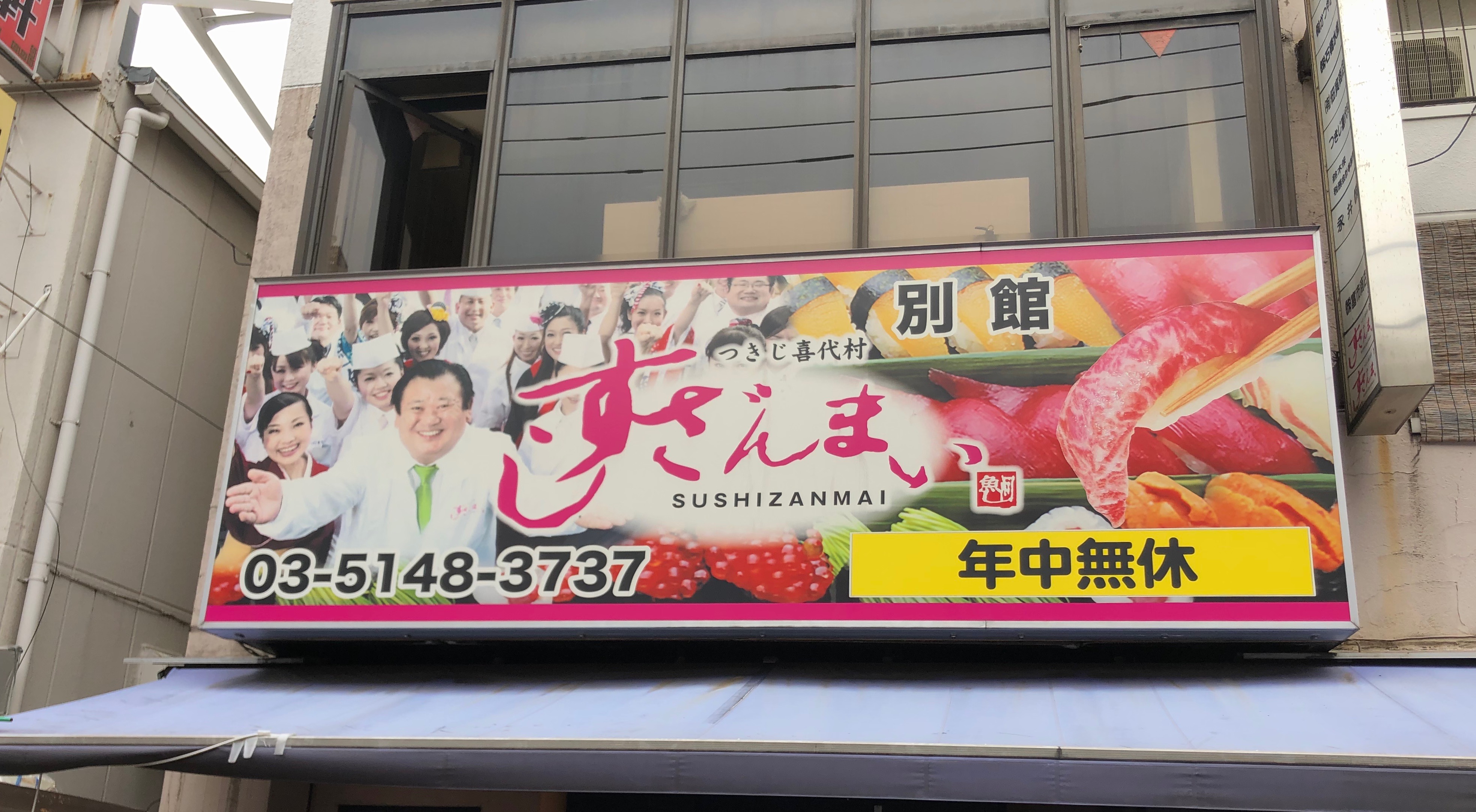
The first photo in this gallery is of a sign advertising a sushi restaurant and the main parts of the sign include the name, the chefs on the left and the fatty tuna sushi on the right. As such, we can see right from the beginning that tuna is a major selling point of this restaurant. The use of bright colours and lack of Japanese help to attract and signal to tourists that this store is likely to be serving tourists looking for tuna sushi in Tsukiji, which is unsurprising as it is such a popular tourist activity.

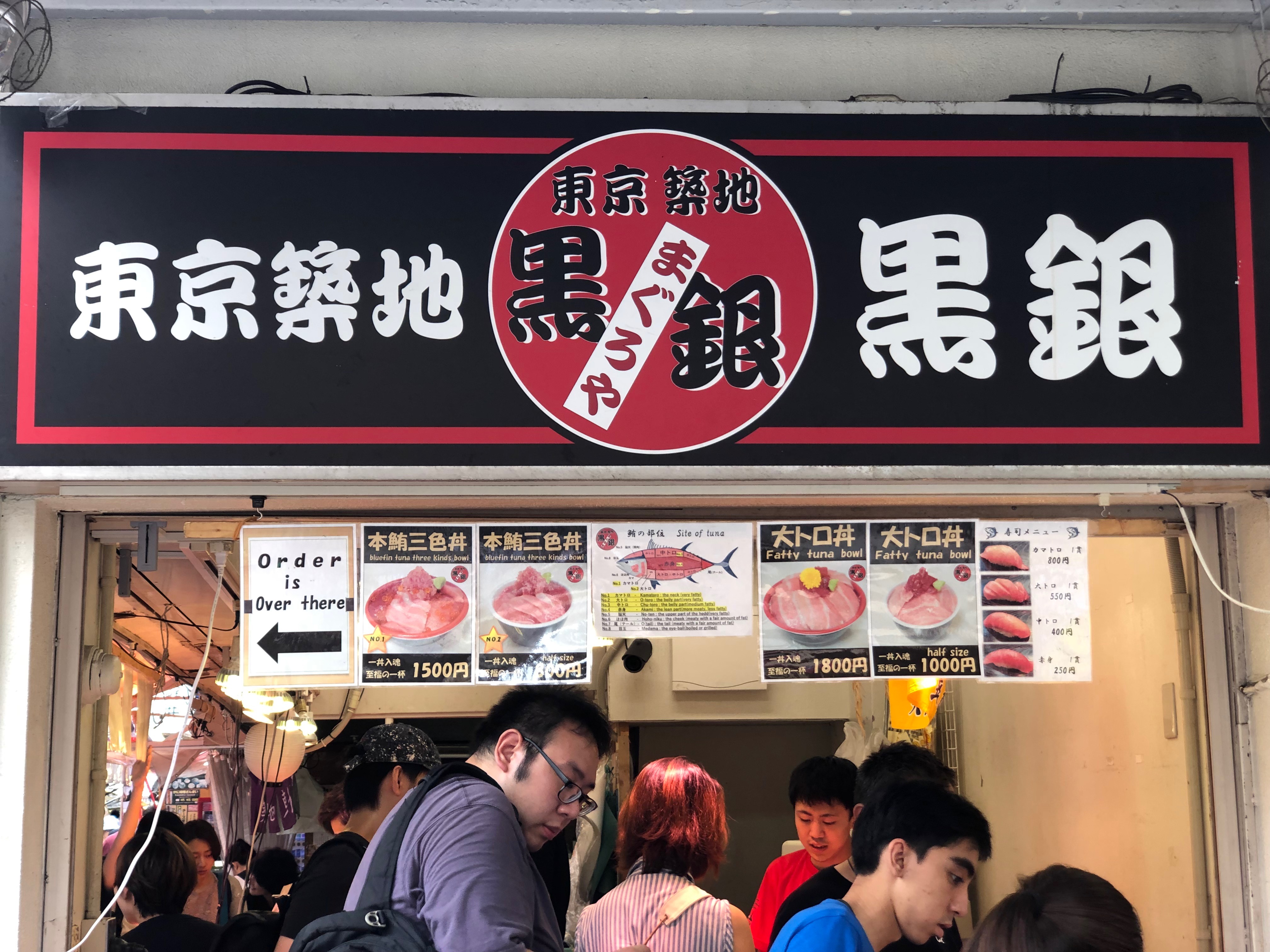
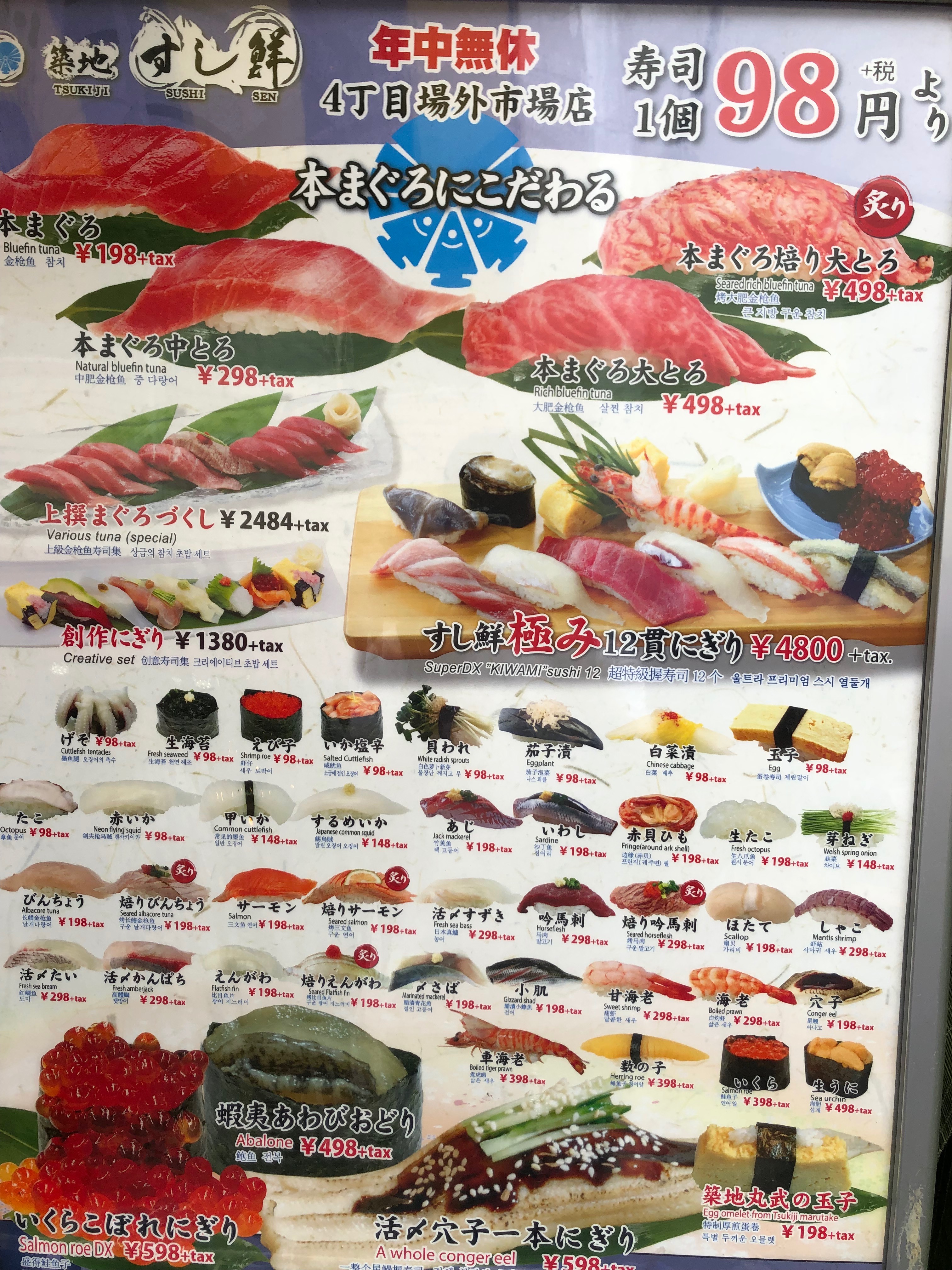
Going a bit deeper into the market, after passing by several other tuna sushi restaurants, a store selling tuna bowls can be found. I stopped by mainly because there was a lot of people in and around the small store. Like the previous sign, this restaurant clearly specializes in selling tuna, but this time it is a tuna rice bowl and not sushi. While the actual food item is different, the methods the store uses to advertise is pretty similar, again with bright, bold colours that highlight the images of tuna as well as the inclusion of English, clearly directed at foreign tourists. Nearby, there was yet another sign advertising a restaurant, with this one focusing on the visuals of tuna sushi as it is enlarged and placed at the very top of the menu, especially when compared to the other types of sushi being offered placed lower down on the menu. Again, the use of languages including English, Chinese and Korean suggests to me that this store is clearly targeting foreign tourists as well.

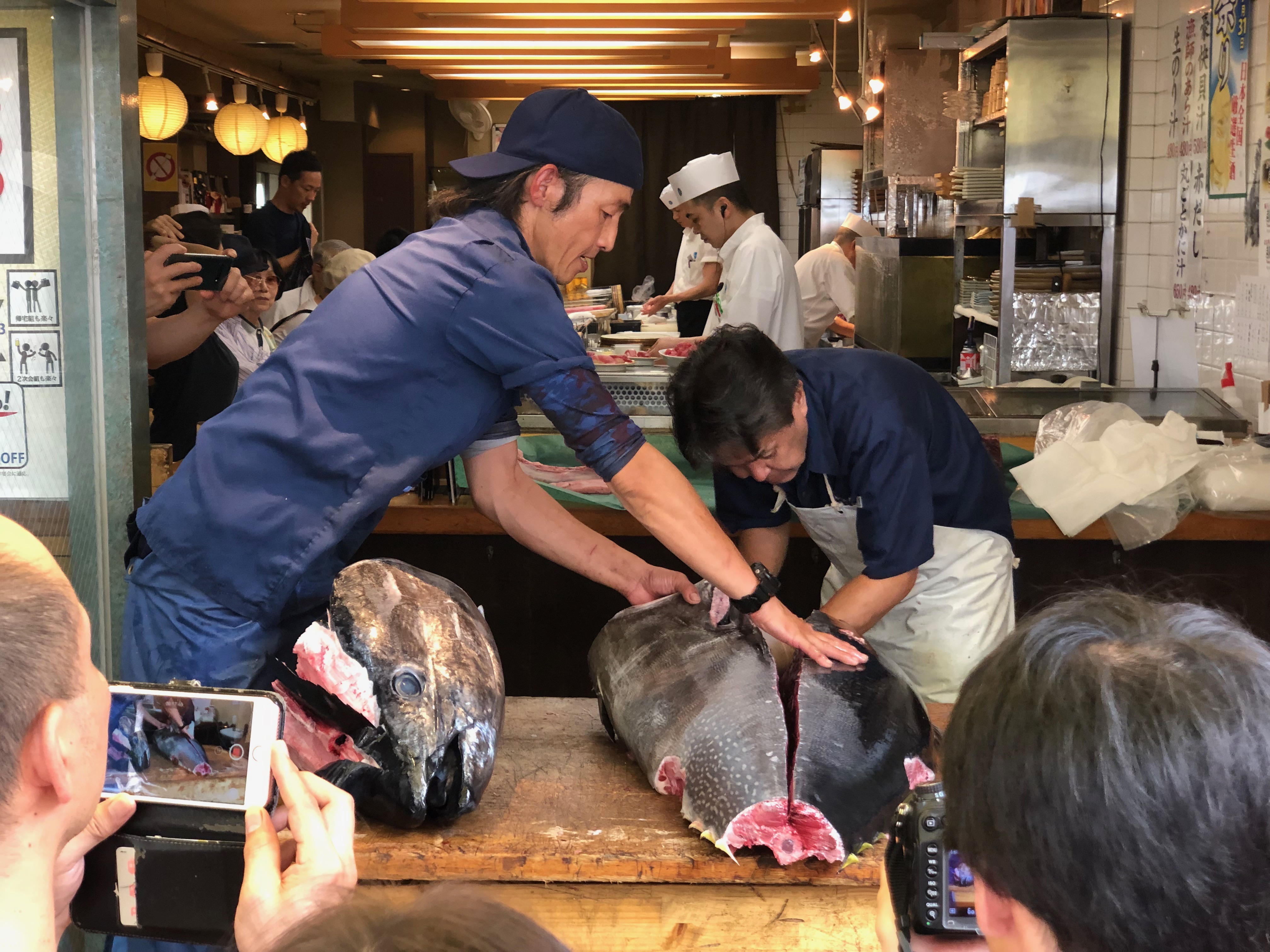
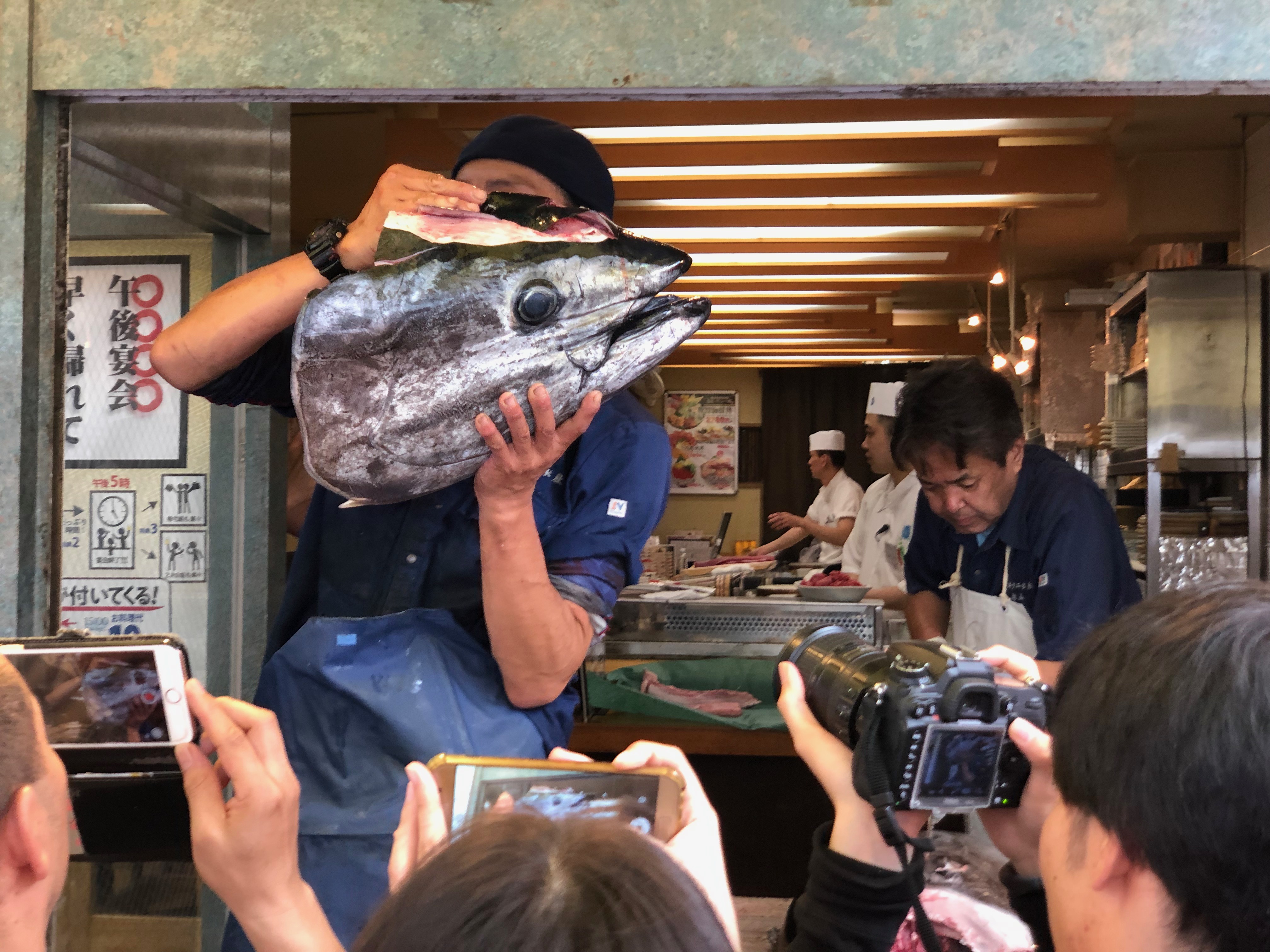
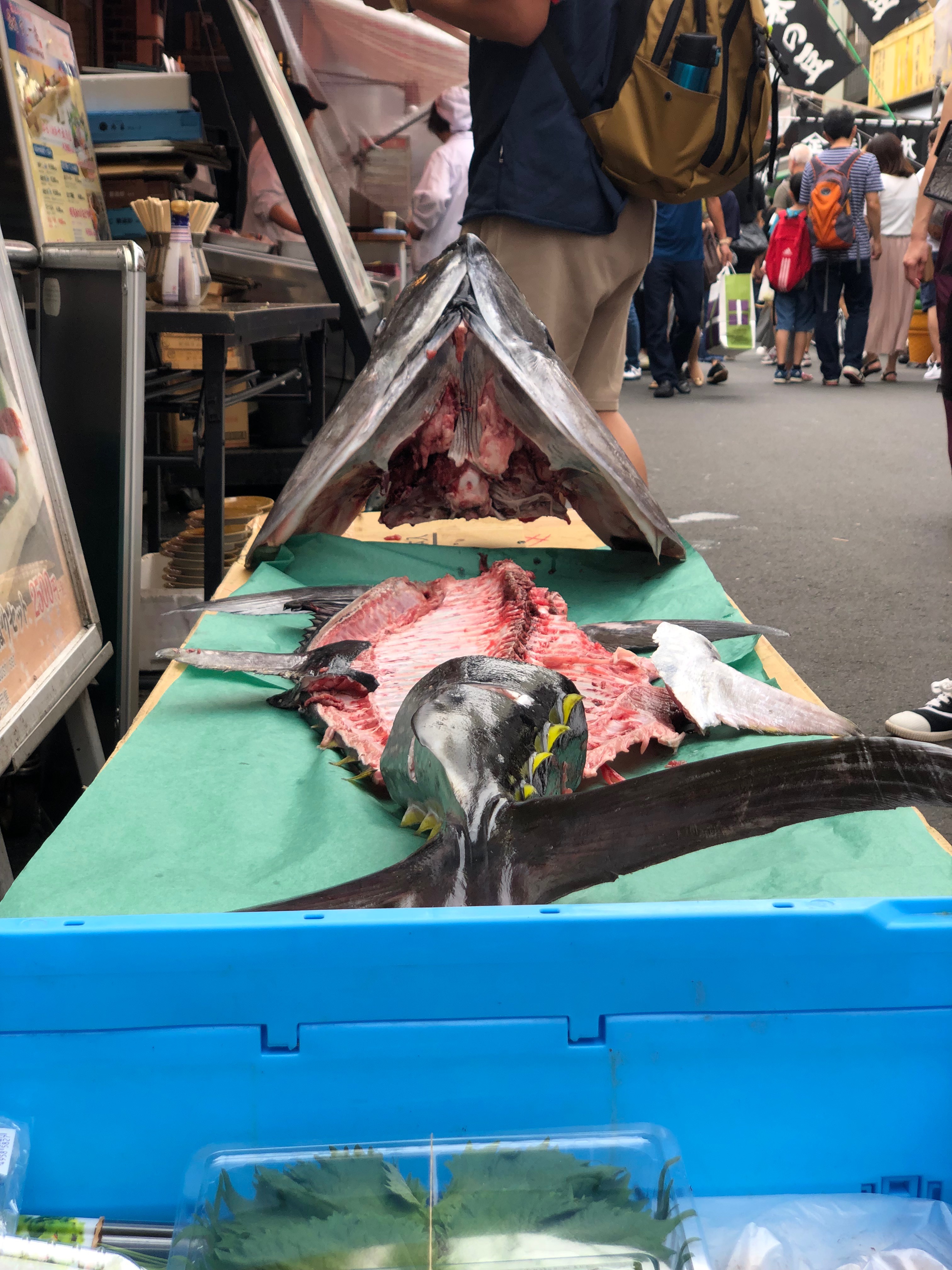
As I looked around for more food to try, I noticed a huge crowd consisting of both foreign and local people crowded around a store and knew instantly I had to check it out. Turns out, it was a tuna cutting show held by two chefs from a restaurant. This seemed to be a special show intended for anyone visiting Tsukiji market to see, as almost everyone in the crowd, whether they be local or foreign, was holding some sort of camera and recording the show. As the show ended, the tuna being cut up was sold as sushi to the audience, with many people lining up to have a bite at the fresh tuna sushi. This show was middle of the spectrum when it came to attracting tourists both local and foreign. While the demonstration was entirely in Japanese, knowledge of Japanese was not required to understand what was happening for most of the show.

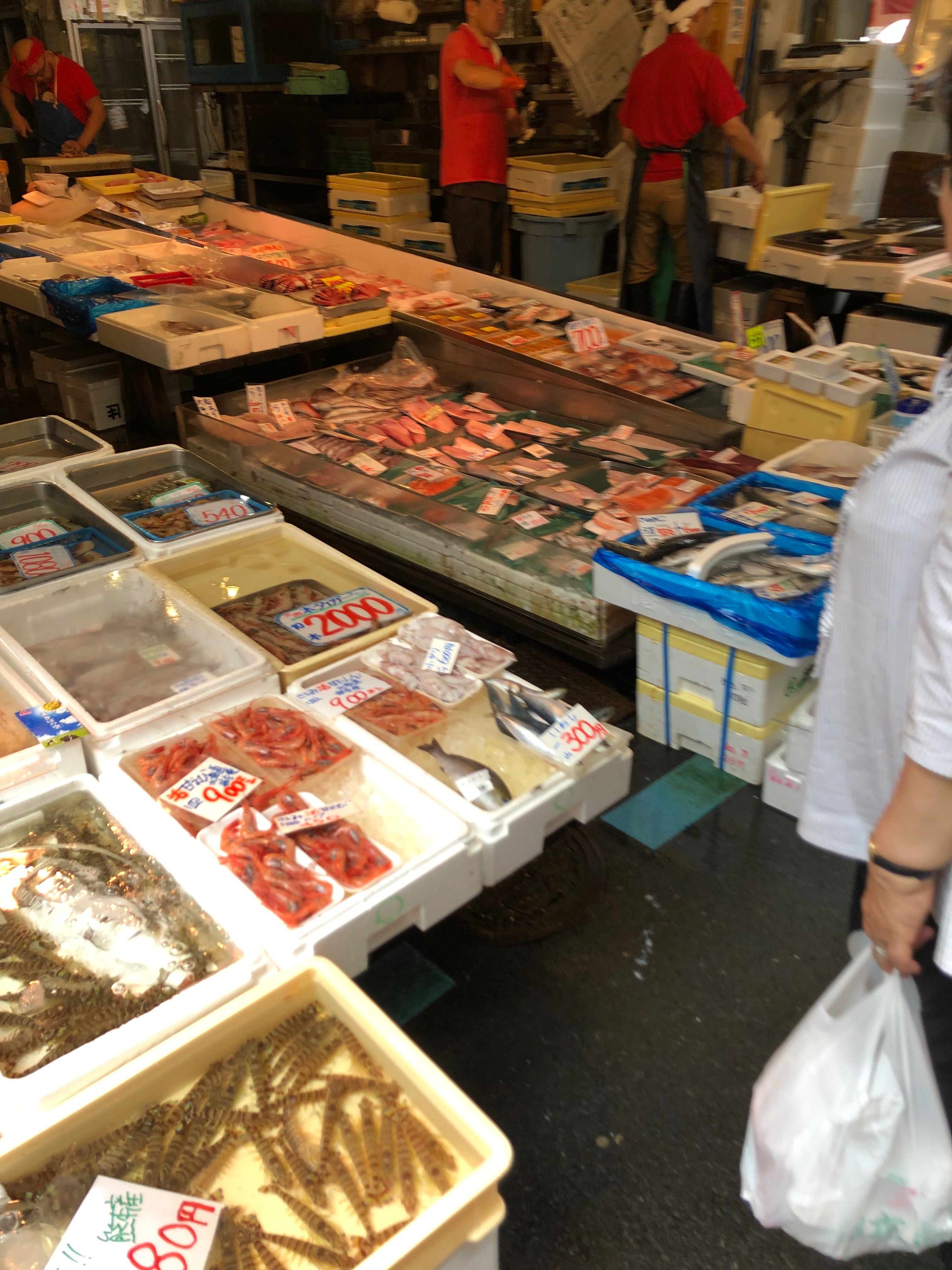
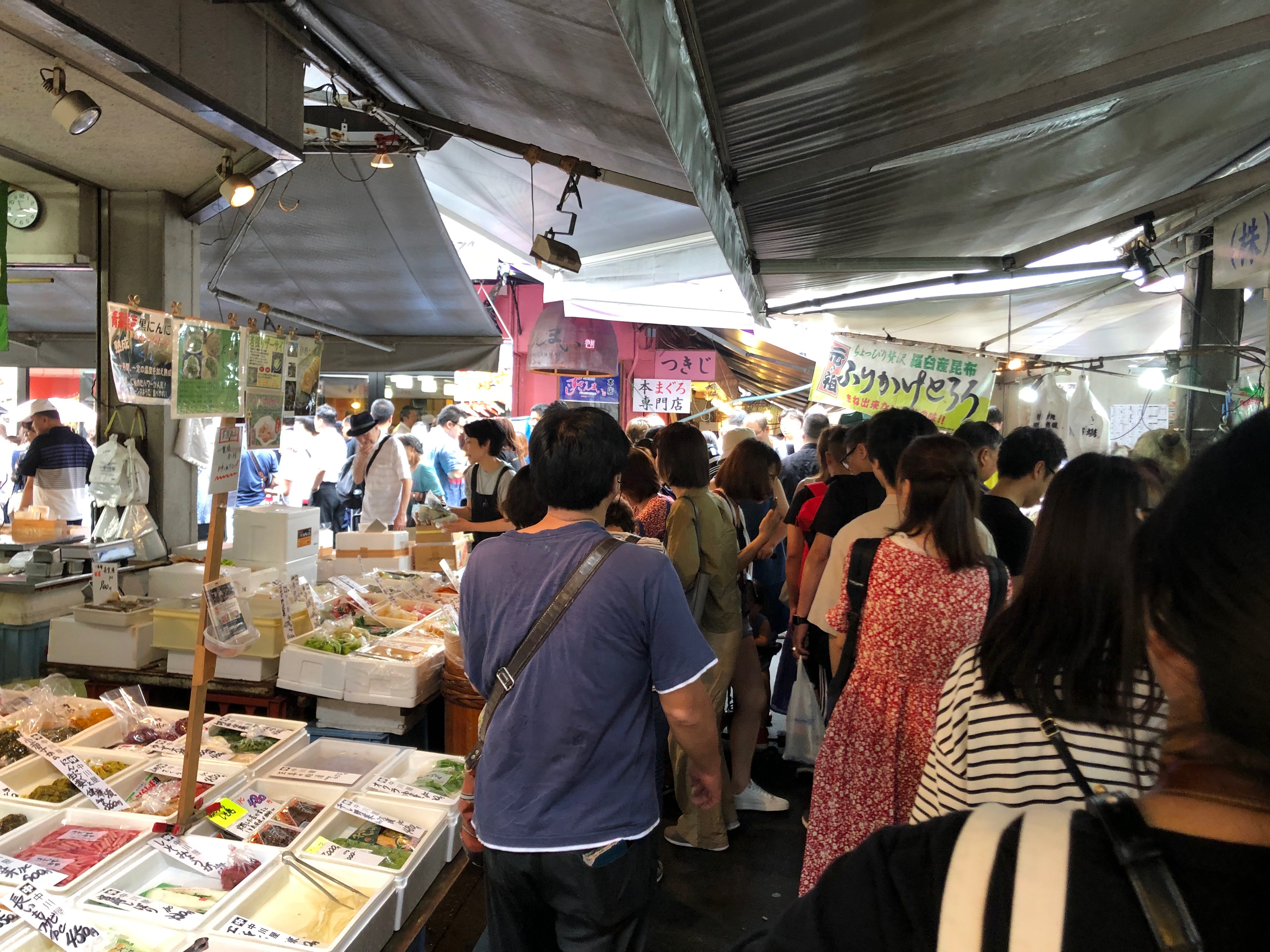
While Tsukiji fish market is a popular tourist destination, it started off and still is a fish market and that can still be seen when walking down certain streets. It was very obvious that these streets were made for locals to buy food to bring home and cook as the signs were generally just in Japanese, and the people visiting the stores were mainly locals as well, with most foreign tourists only choosing to walk through the street in order to get to the next touristy thing to do in Tsukiji. As such, the photos of the storefronts are generally blander, with little to no foreign languages, as the store owners themselves do not aim to attract tourists to visit and buy from their shop, unlike the restaurants and street vendors around Tsukiji.

Being in Tsukiji for a few hours, one can see how each store caters to their own audiences and how it does so through its strong visuals and ease of accessibility for tourists or lack thereof depending on their intended audience. The way stores here advertise and sell their product is similar to most other tourist destinations in Japan, such as in Miyajima, in which we discussed in class how stores would look vastly different depending on who its intended audience is.

Tominaga, Takaki. “New documentary on Tsukiji fish market captures essence of nation’s ‘lively kitchen’.” The Japan Times, 23 July 2016, http://www.japantimes.co.jp/culture/2016/07/23/films/new-documentary-tsukiji-fish-market-captures-essence-nations-lively-kitchen/.

Edo-Tokyo Museum, Family Friendly or Is There More?

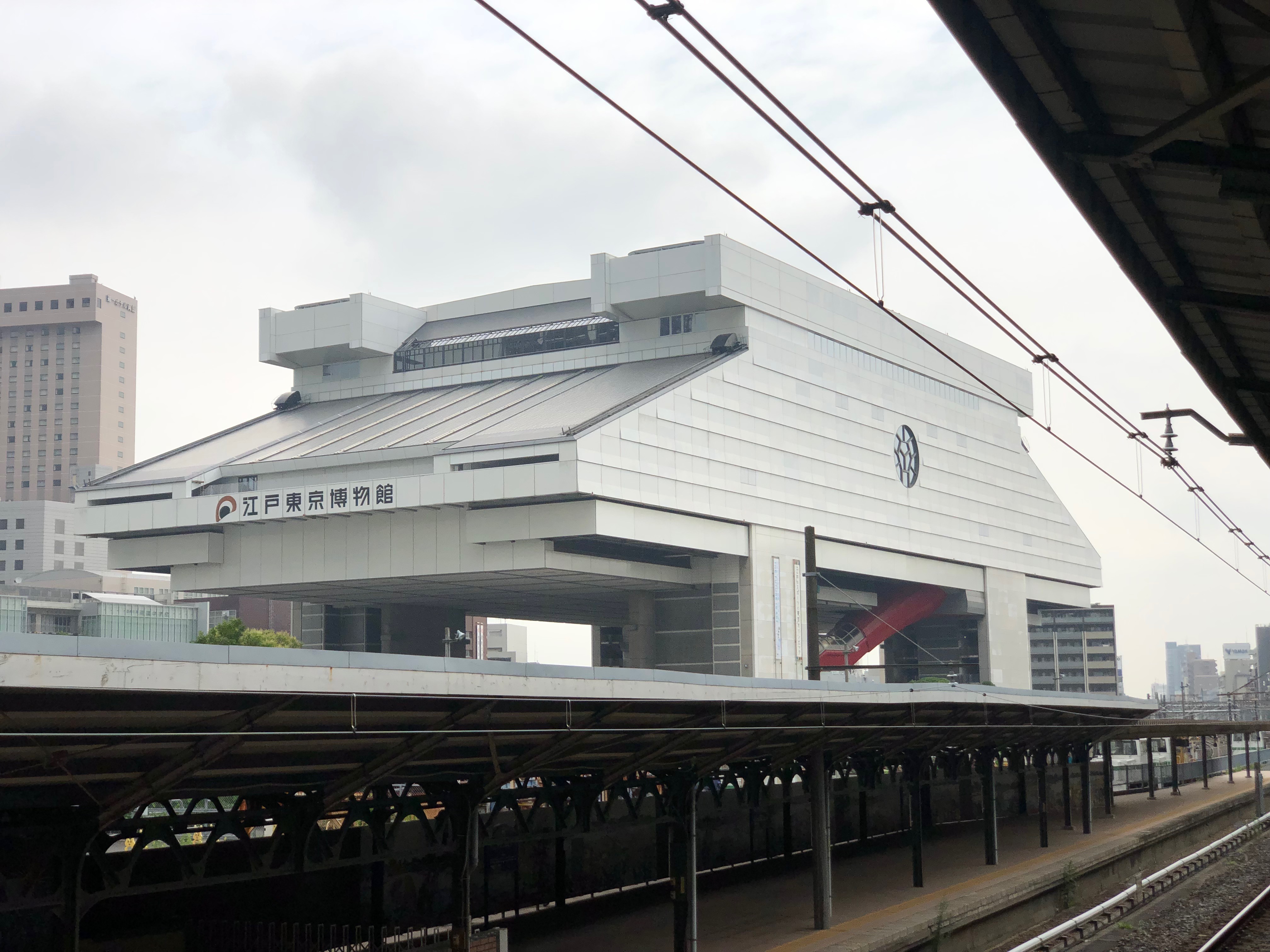
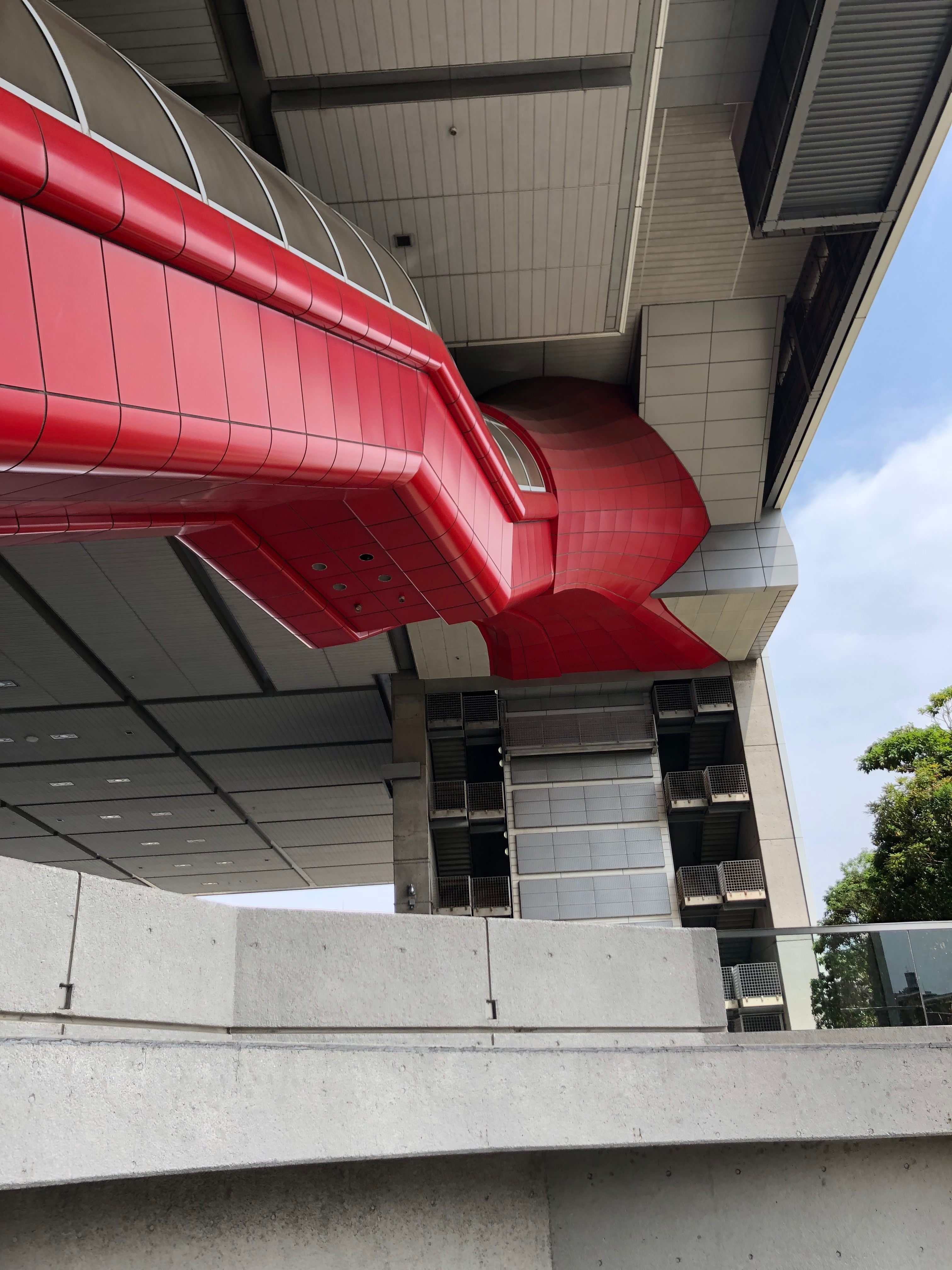
Yesterday was my first time visiting the Edo-Tokyo museum and it was an interesting experience for sure. The moment I got off the train station, the first thing I saw was the museum itself, which I thought looked like something out of an old sci-fi movie.

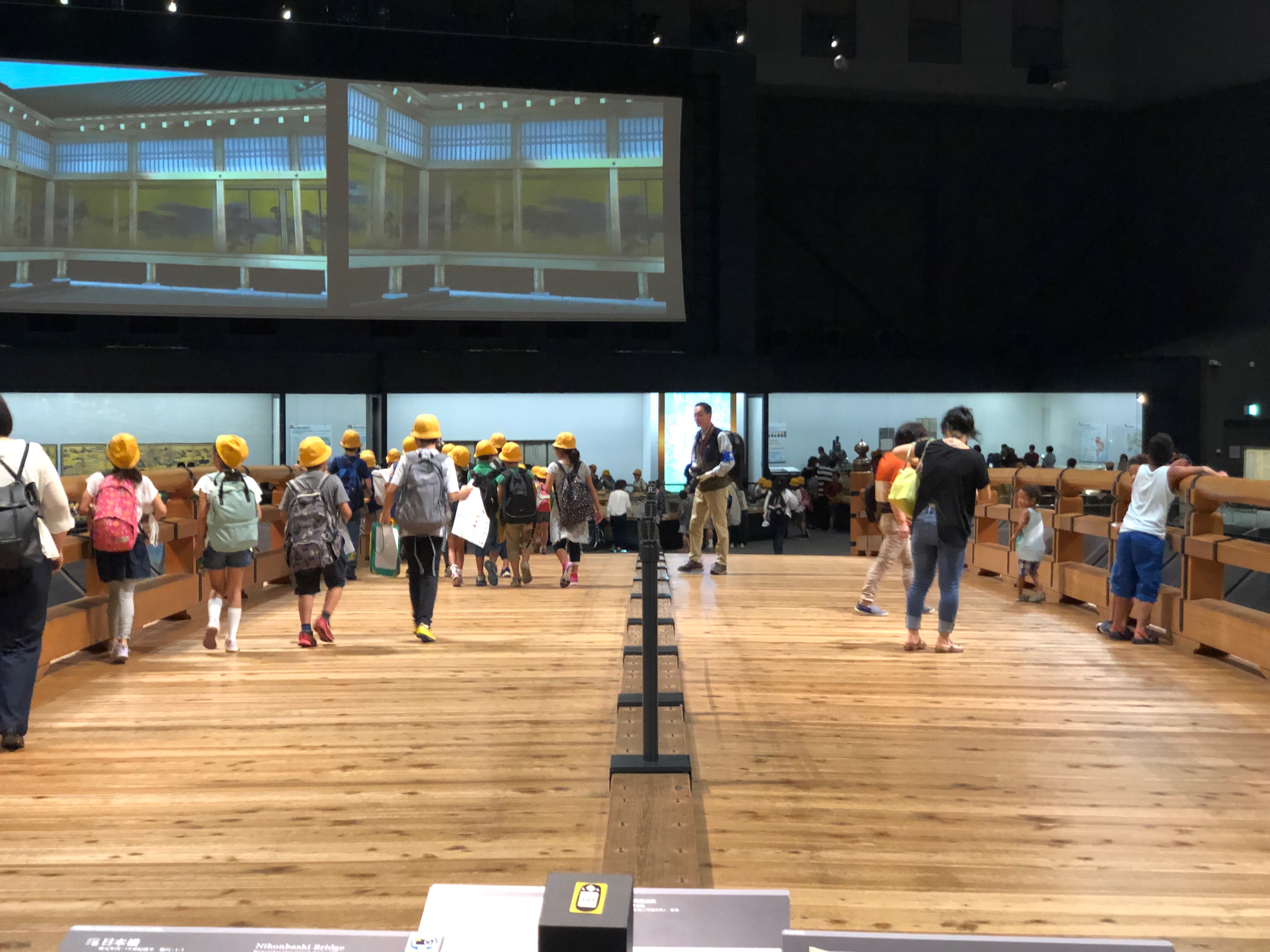
Inside the museum, we had to cross a replica of the Nihonbashi bridge, which was the entrance into Edo. Inside, there were many exhibits from the Edo period till the early 2000’s, but I would like to focus on certain exhibits which either discreetly hid certain information about pop culture in Edo or may have straight up not mentioned certain events or ideas from that time period.

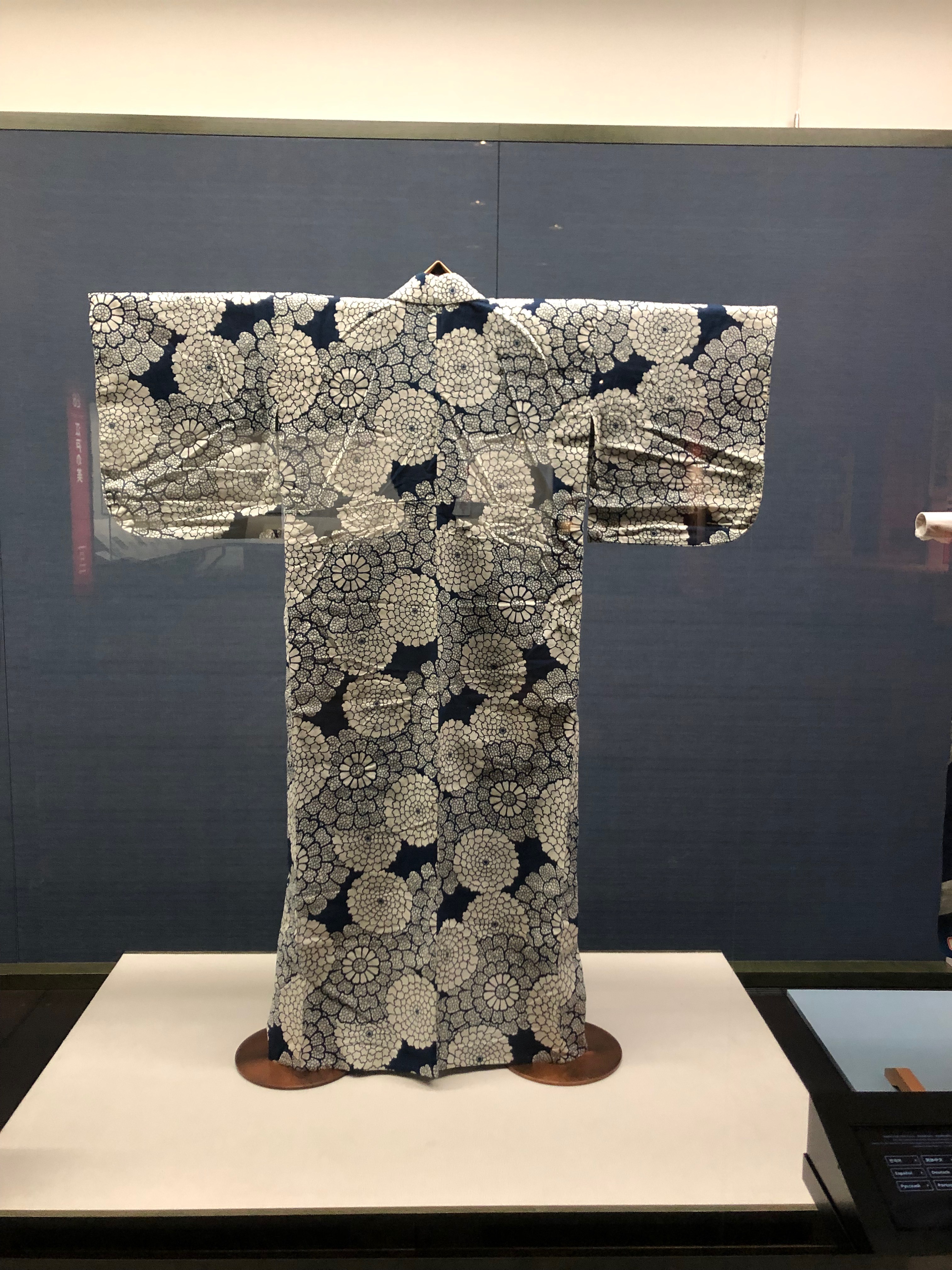
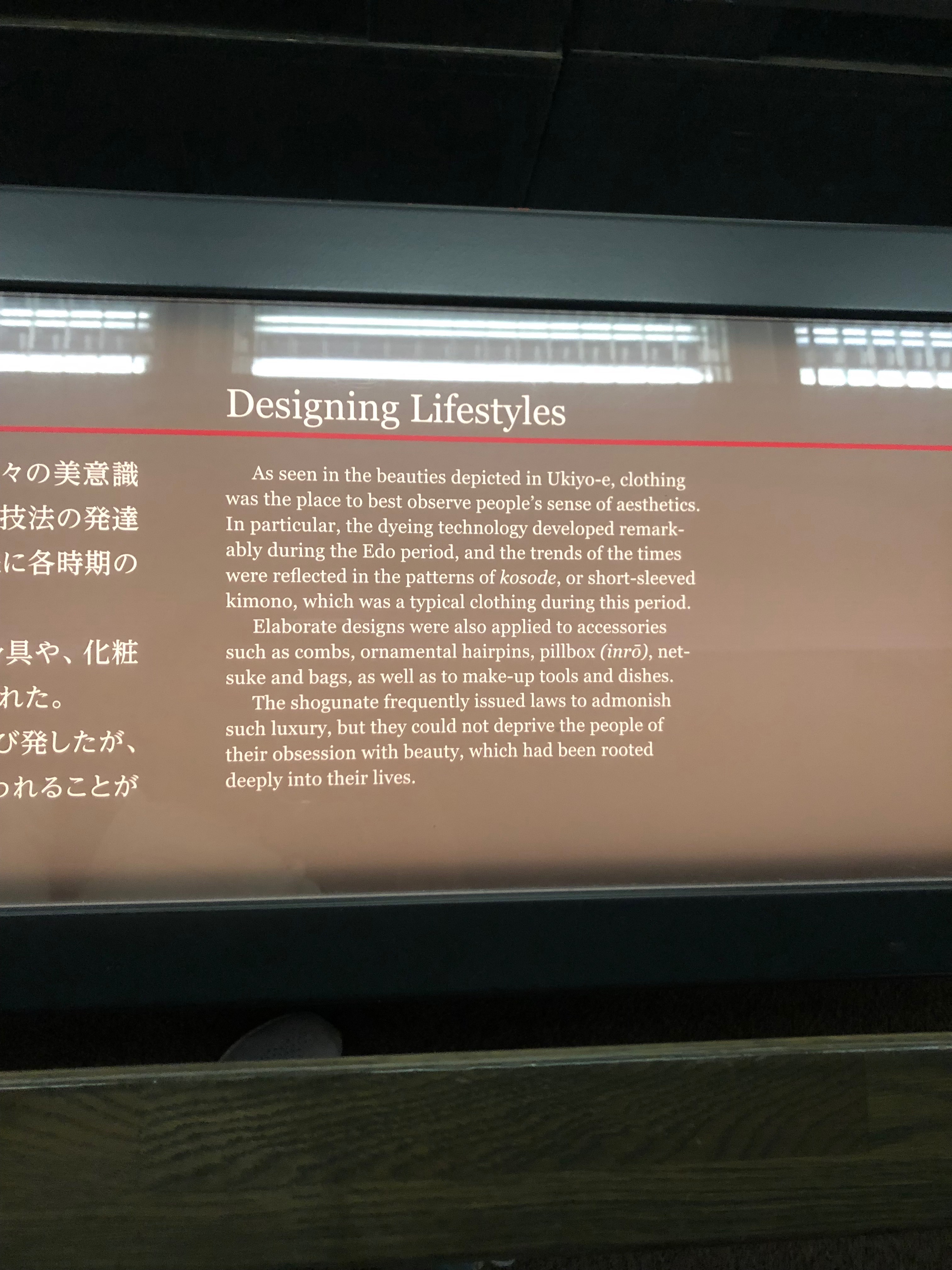
The first exhibit I would like to focus on is the one on clothing. At first glance, the exhibit only seems to describe the importance of beauty and design to the people at the time, especially for visitors who did not fully read the sign.

The last sentence on that sign states that “the shogunate frequently issued laws to admonish such luxury”, showcasing their tendency to want to control everything.

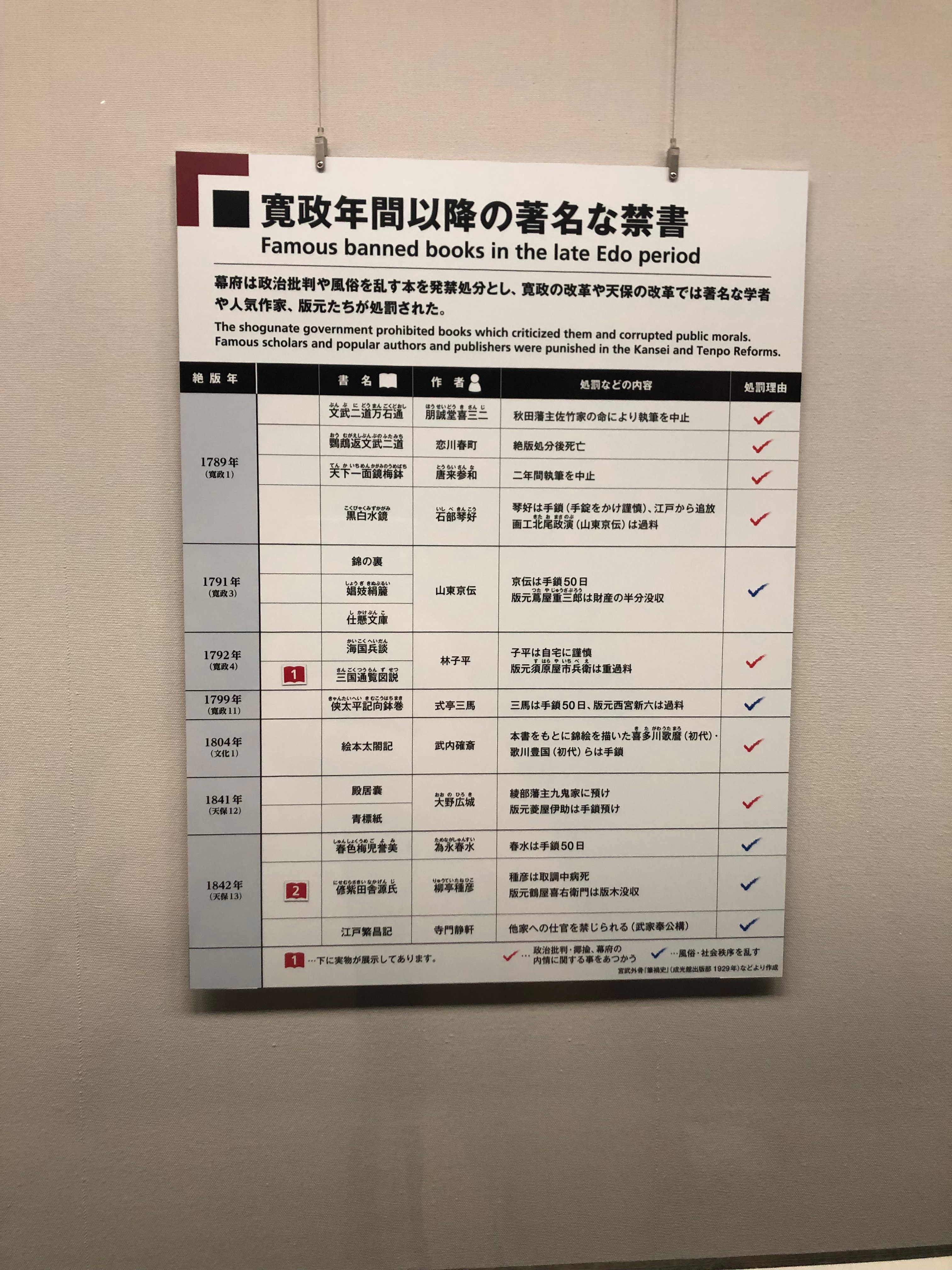
In another exhibit, the museum displayed a list of banned books. Most of the books on the list were said to be critical of the shogunate government, hence leading to it being banned, showing yet again their love for control.

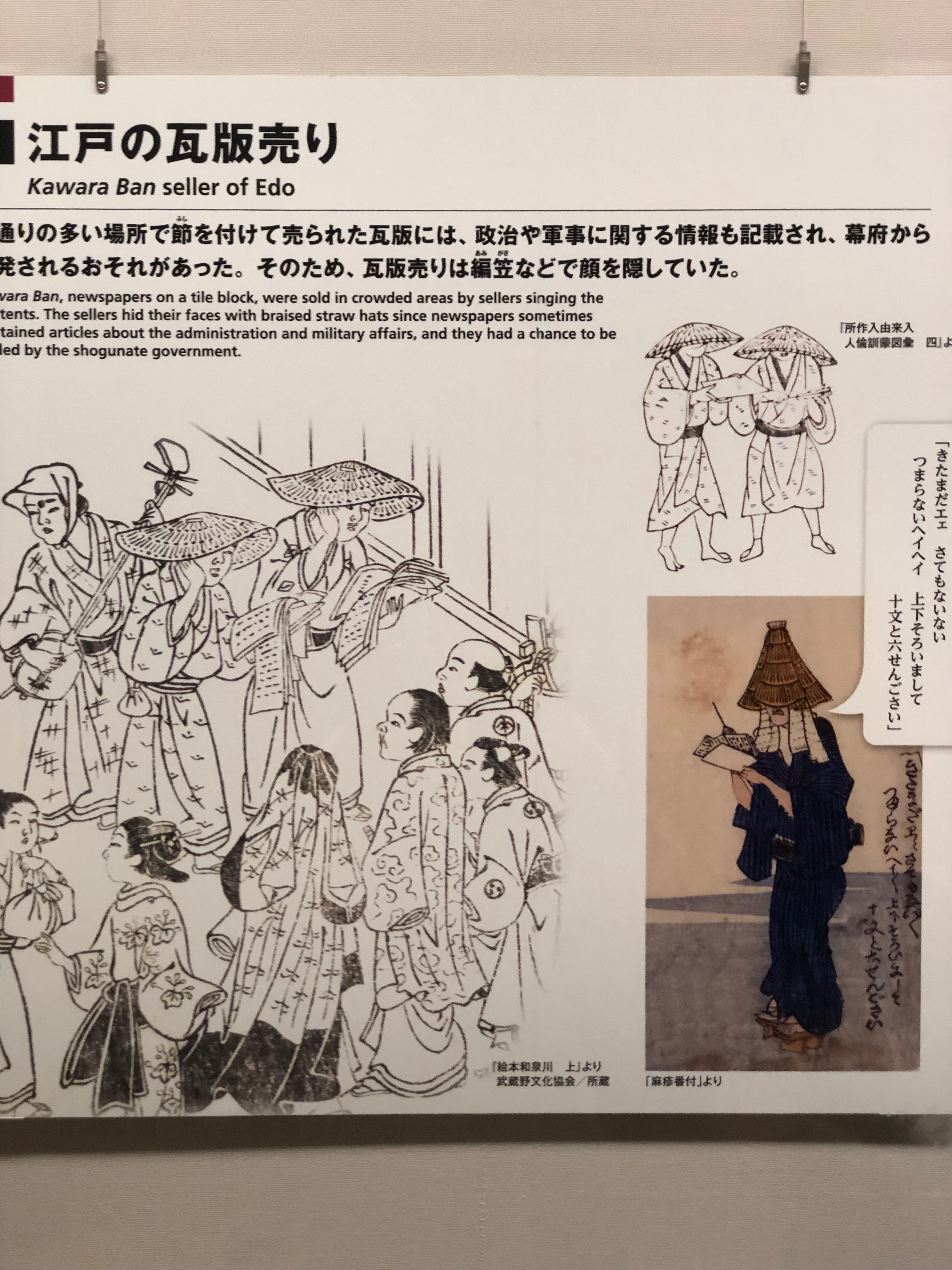
Their desire for control is likely due to the fact that the Tokugawa rulers feared a return to their chaotic and disorderly past during the time of the Warring States. As such, they believed by controlling everything, they would be able to ensure similar events would not happen again. However, as seen in our readings, the commoners were responded well to censorship and would sometimes be able to evade the censorship altogether as seen through the existence of book sellers. These book sellers would cover their faces with long straw hats so they would not be recognized as easily and therefore not get in trouble with the shogunate.

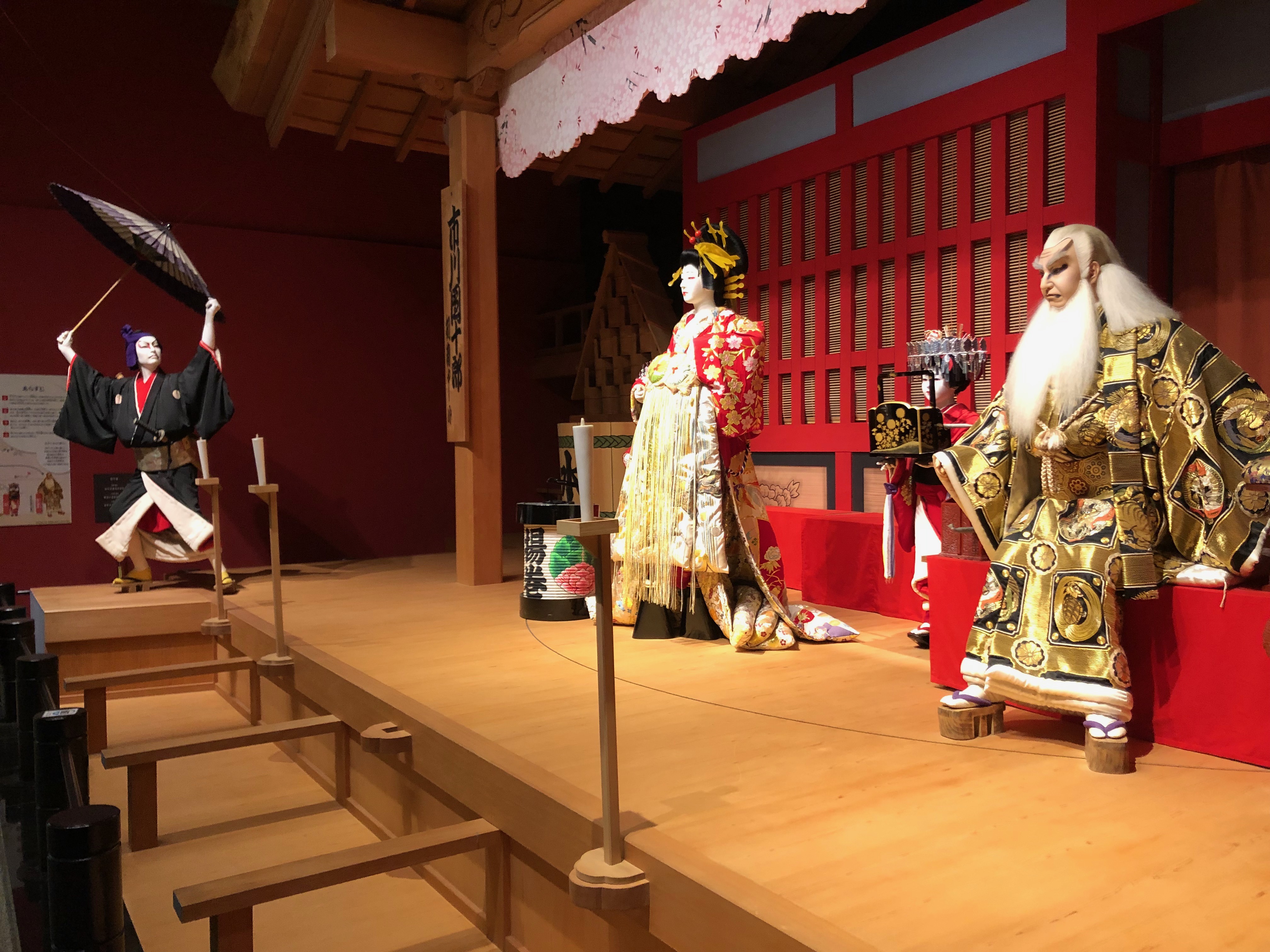
In the two exhibits above, we see that the museum seems to provide an overview of Edo culture without hiding much from visitors. However, upon arriving at the Kabuki exhibits, it was clear that the museum wanted to maintain a certain image of Japan’s culture as one that is clean and had little conflict, as mentioned in our class presentations today.

From our readings on Kabuki theatre, we know that these shows developed by adapting to government restrictions and were often sexual in nature and included many prostitutes, as evidenced by the list naming the different edicts on kabuki theatre provided in our textbook. At the exhibits in the museum, there was no information on this part of kabuki history as they focused only on what the theatres themselves looked like as well as a section on how they produced their music and other sound effects. At first, I assumed they left out the prostitutes as there were schoolchildren visiting the museum, but after discussions in class, I realized that their exclusion was most definitely intentional in an attempt to “clean up” part of their pop culture history.

While I did enter the museum looking for evidence (or lack thereof) of the shogunate governments control,  the presentations and discussions held today has opened my mind as to how museums have their own biases and are not there to give an accurate representation of history but instead to tell a story.  

Atkins, E. Taylor. “Delicate dancing—early modern Japan’s culture wars.” A History of Popular Culture in Japan: from the Seventeenth Century to the Present, Bloomsbury Academic, 2017, pp. 59-77.

Appealing to Teenage Girls in Harajuku

Yesterday, I spent most of my morning exploring youth culture in Harajuku. Upon leaving the exit of Harajuku station, I was immediately greeted with the loud, bustling entrance of Takeshita Street and it didn’t take long to notice how stores had multiple methods to attract their target audience of teenage girls in this 400-meter-long street.

The entrance to a drug store

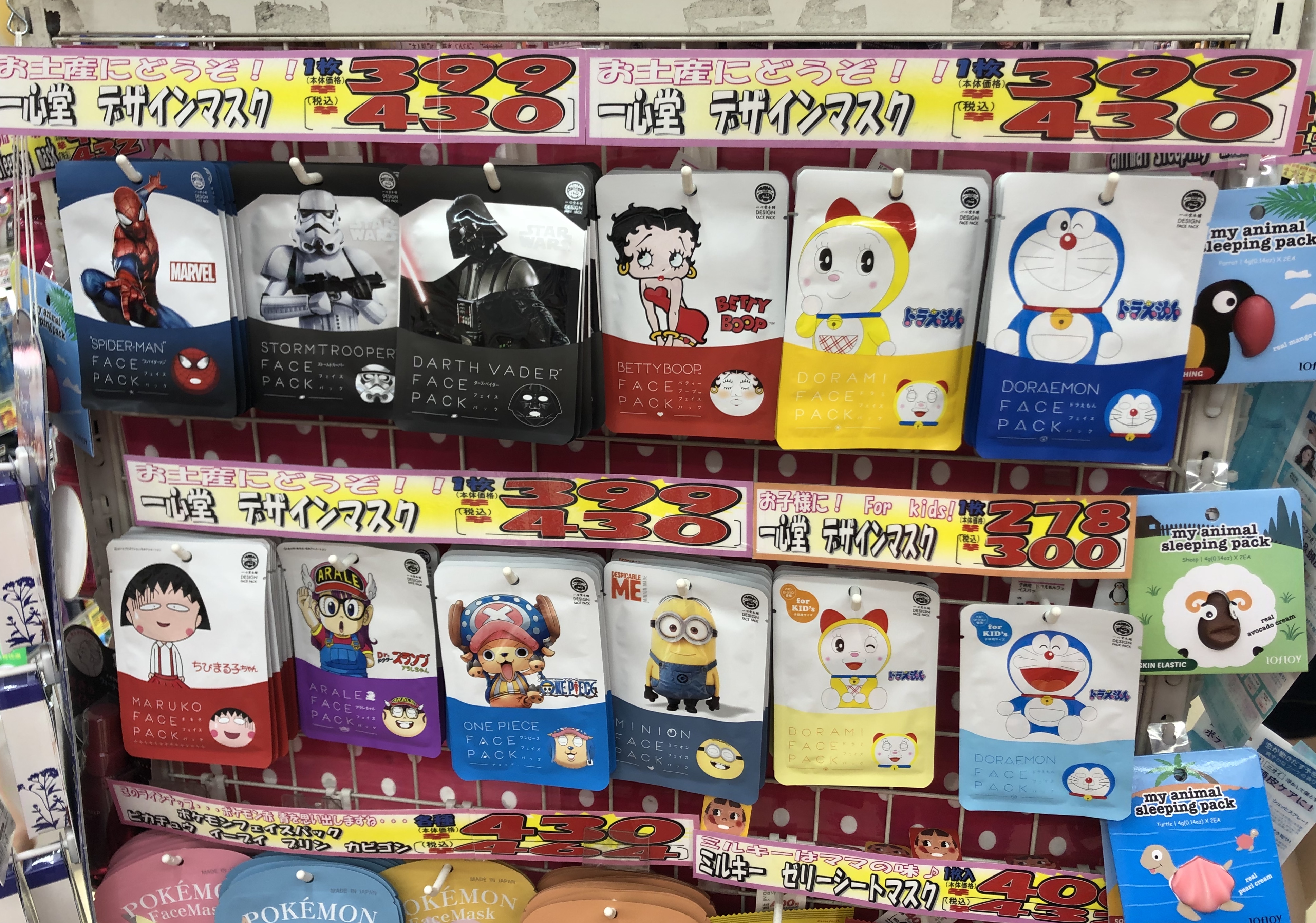
For this drug store, the shop owners first used a comic-like font, which implies that the store is informal and designed for children and teenagers. Apart from the comic-like font, the store also utilized bright, poppy colors both in their choice of products as well as in their price tags, both of which serve to attract the eyes of teenage girls walking down Takeshita street, as discussed in class. It is important to note the choice to place character face masks at the very front, as it is likely that these characters are prevalent among Japanese youth culture and are being sold as a form of fanshii guzzu, which if you don’t remember from my first blog post, “are goods that are small, cute, decorative personal items often marketed to young women” (Occhi).

An advertisement for jelly at the entrance of a snack store

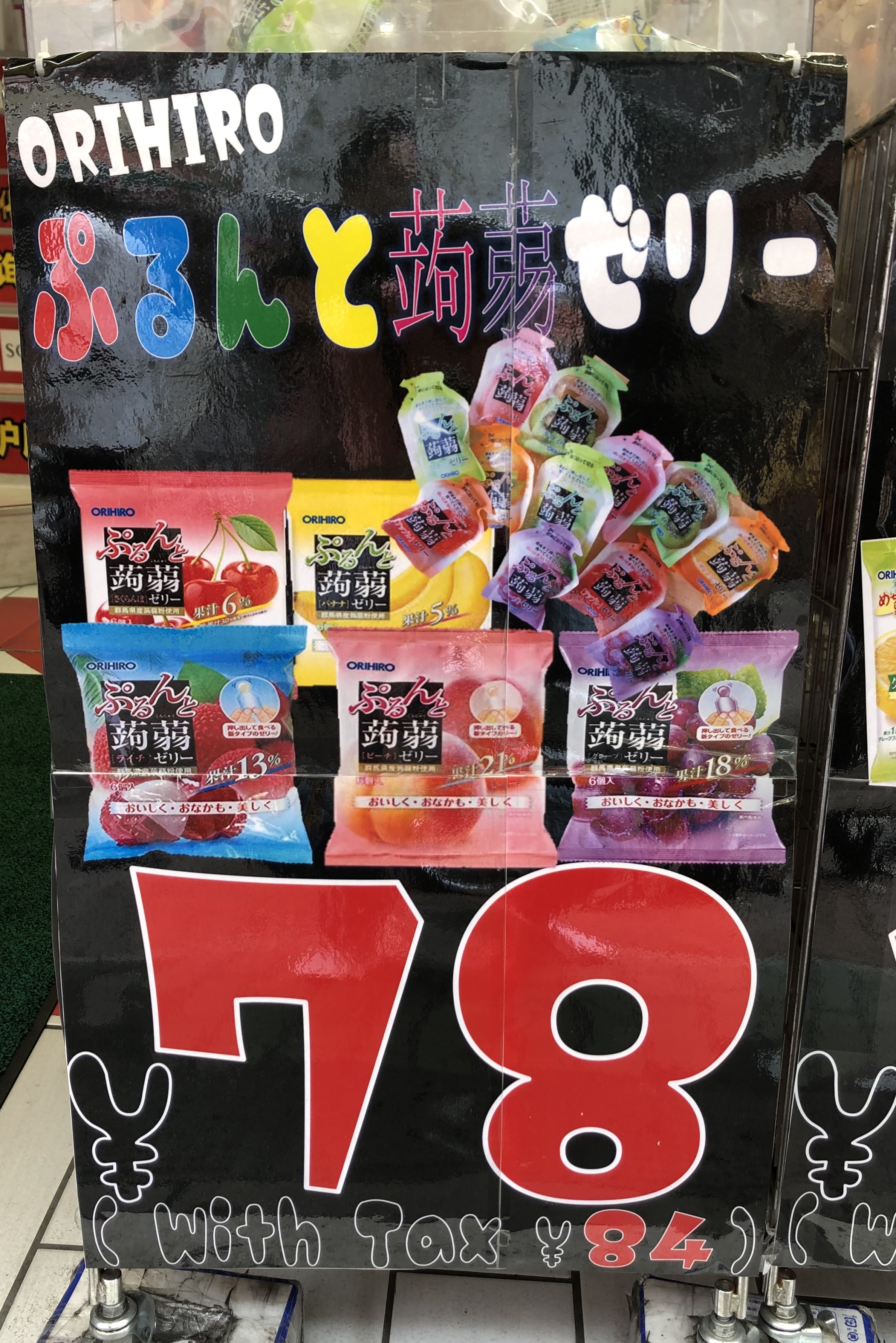
Like the drug store, the snack store uses a comic-like font for their characters and bright colours, which is further emphasized here with the black background, to appeal to the eyes of people walking down the street. Additionally, it was also discussed in class how the prices of goods in Harajuku was much lower in comparison to other places like Shibuya, Shinjuku and Akihabara. This is likely because stores understand their target audience consists of teenage girls and as such will not have much money to spend when they shop.

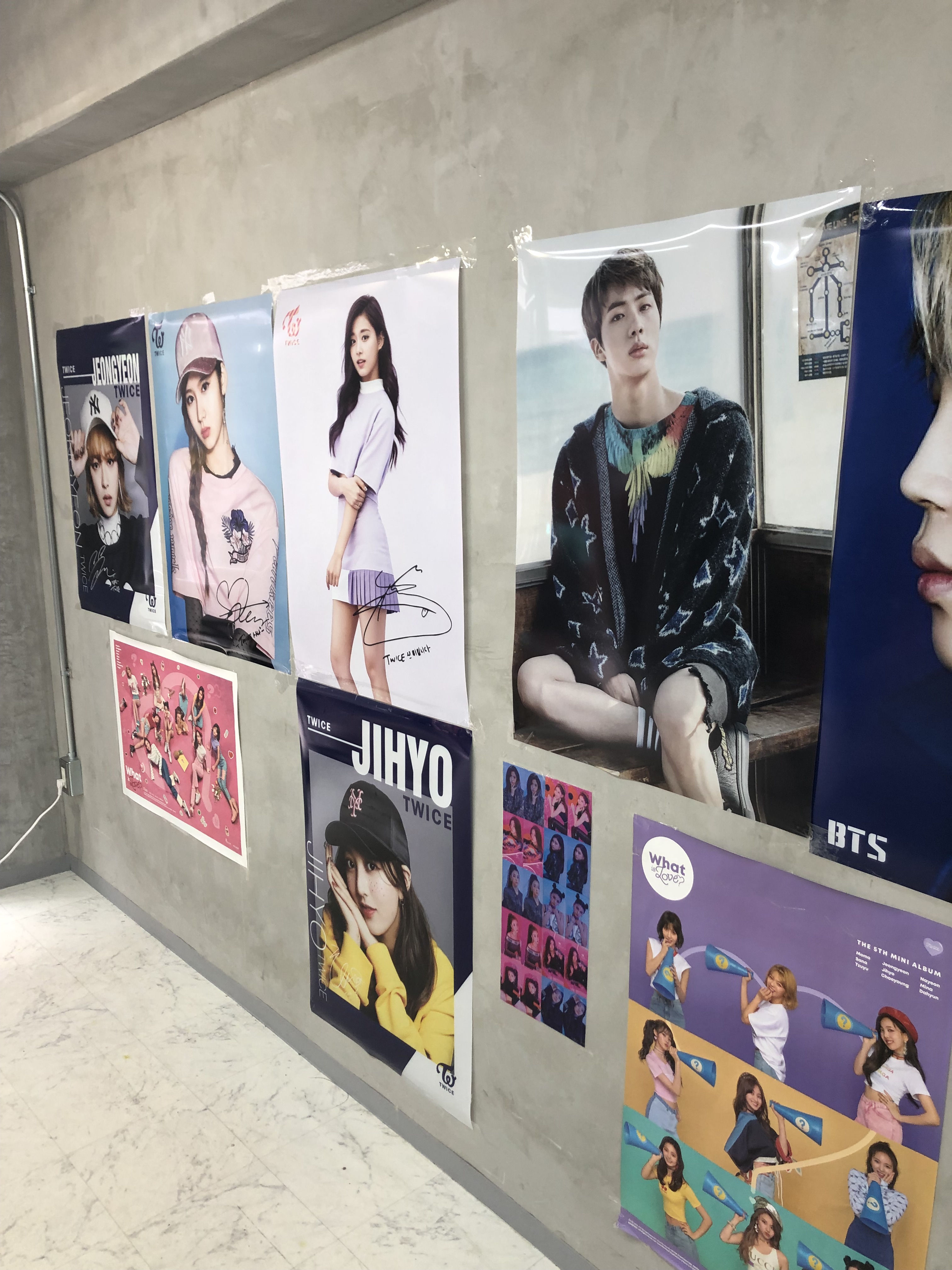
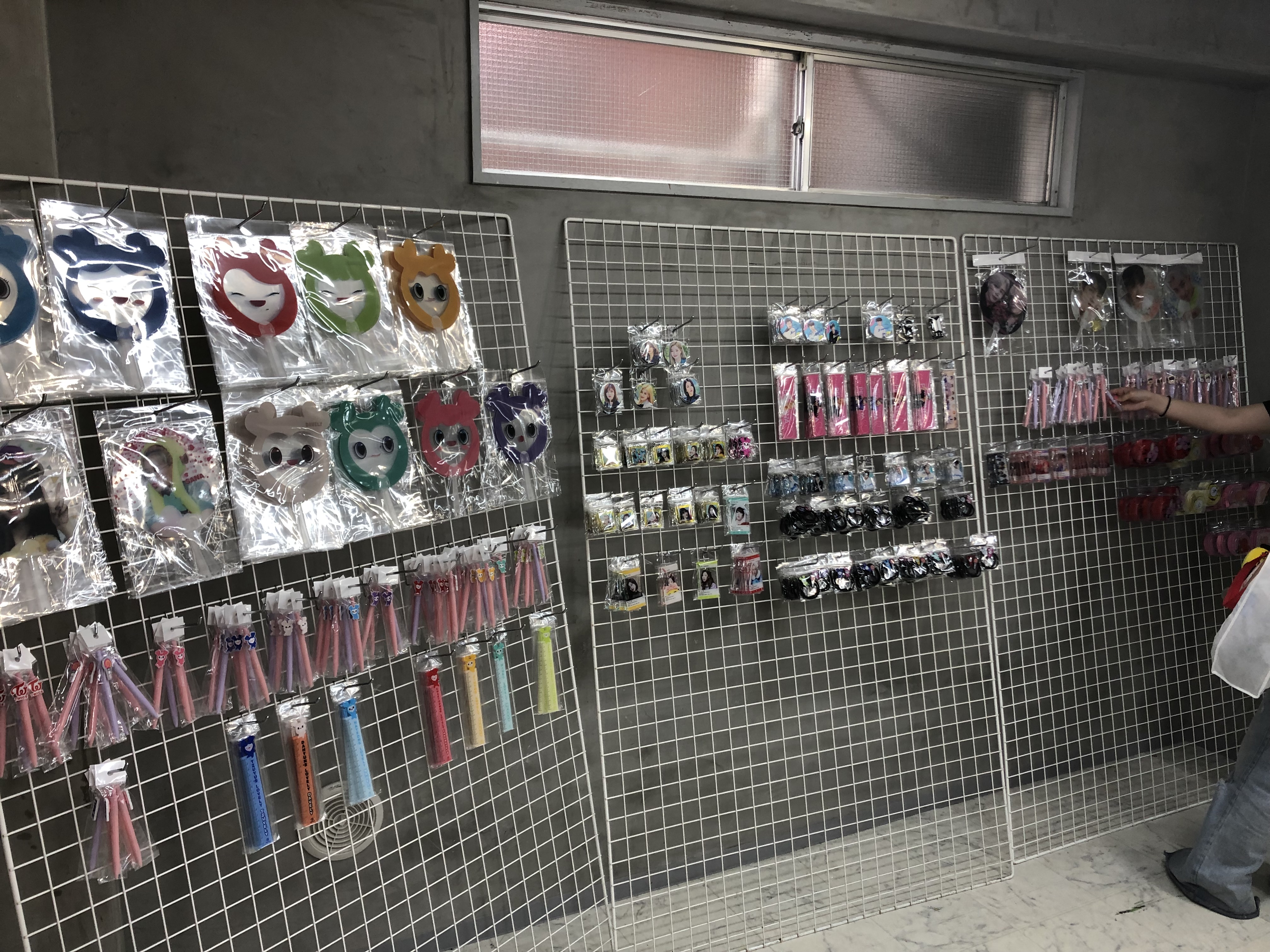
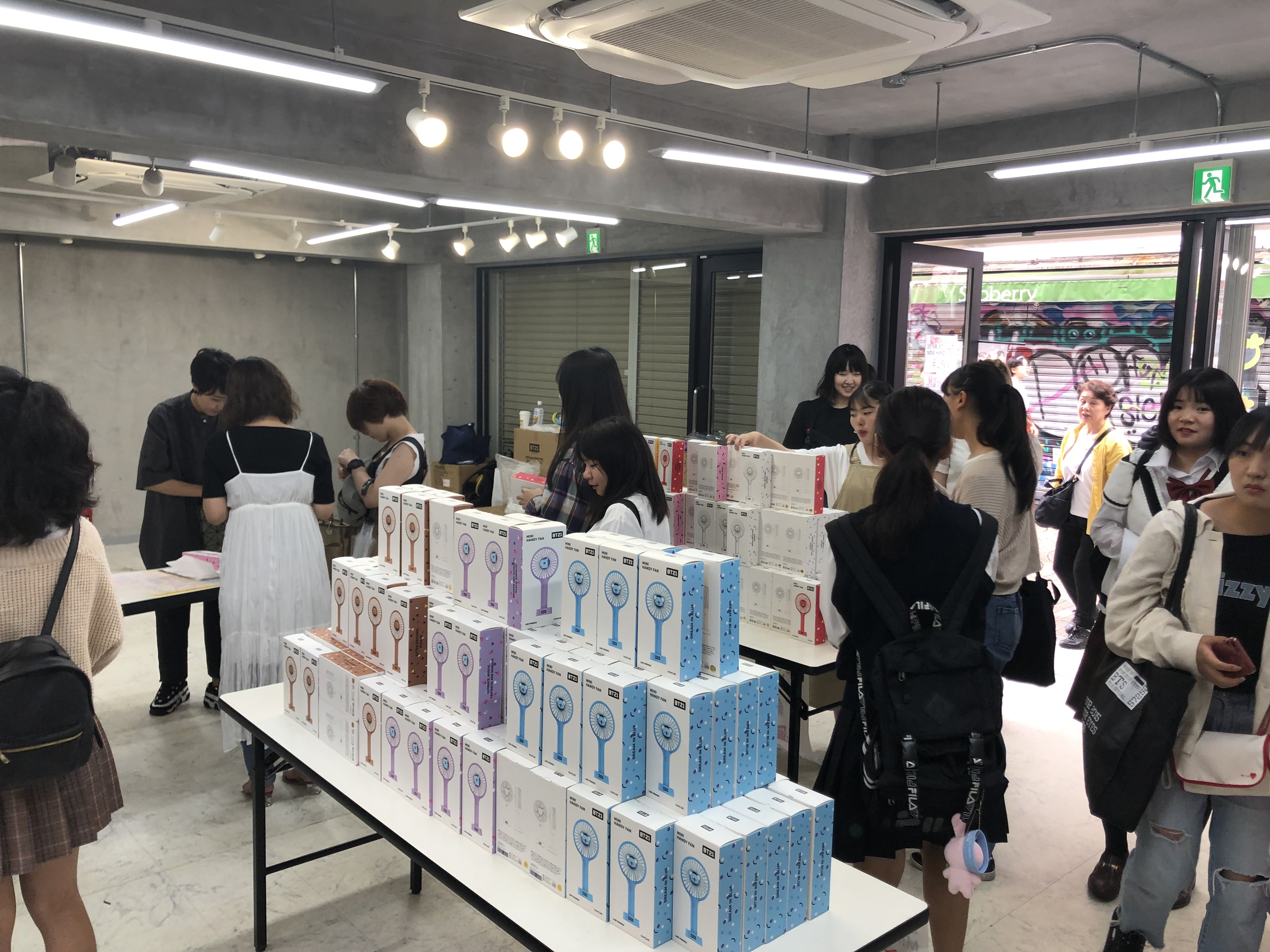
On first glance, this store may seem like a counter example to the first two pictures I had as this store is the opposite of colourful with its bland, grey walls. However, with the help of K-pop blasting through speakers on the outside, this idol store does not need anything else to draw both teenage girls and young adults (including me) into the store. While its appearance may look vastly different in comparison to other stores around the area, the inside is similar, with idol posters and idol related merchandise on sale. The merchandise here as seen on the rack includes fans, pens, rulers, hair ties and bag decorations, all of which are goods marketed towards teenage girls. With most items costing less than 1000 yen, the store further encourages teenage girls to come shop as they wouldn’t break the bank by doing so, as seen in the third photo, in which every customer is female.

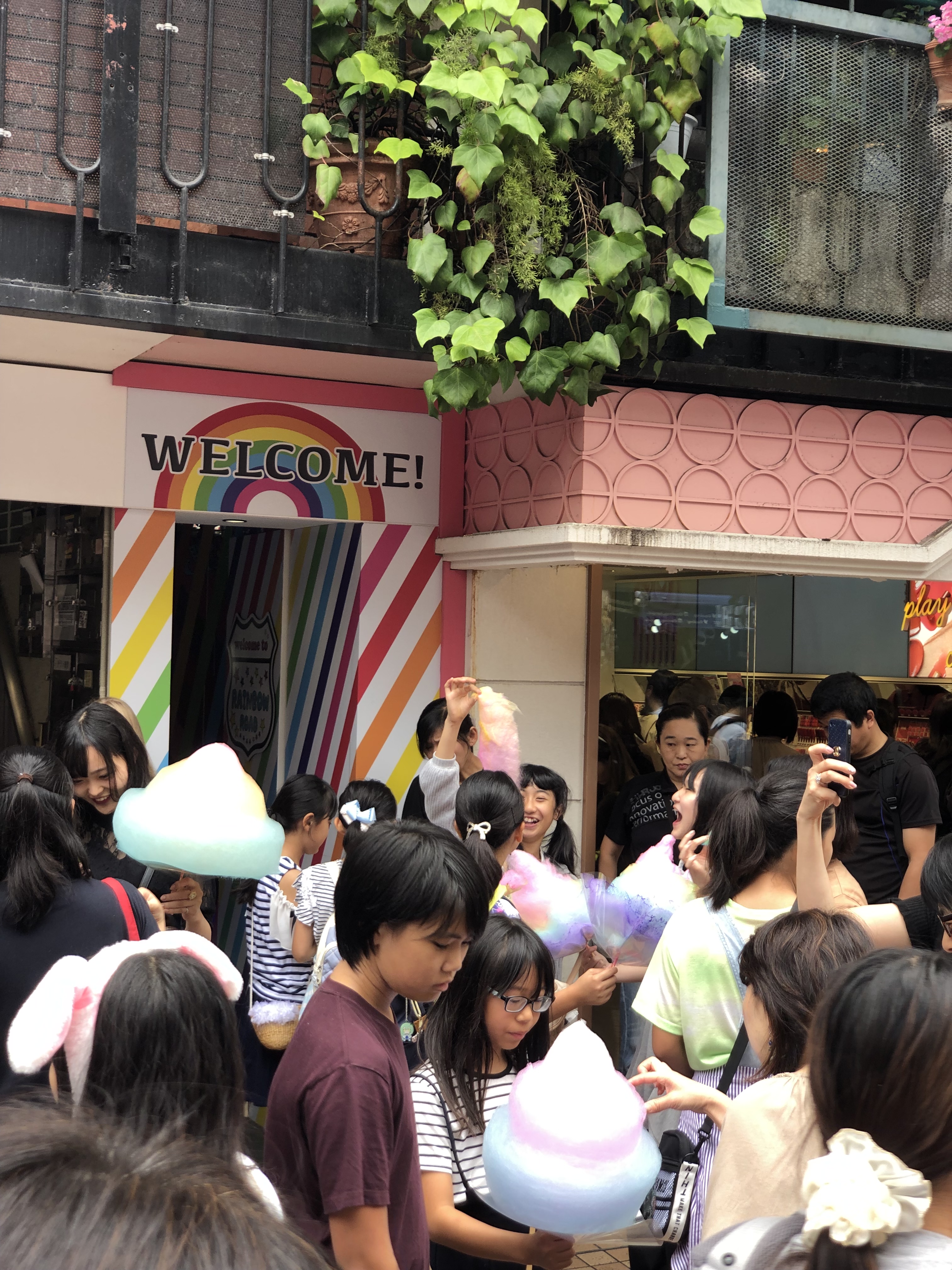
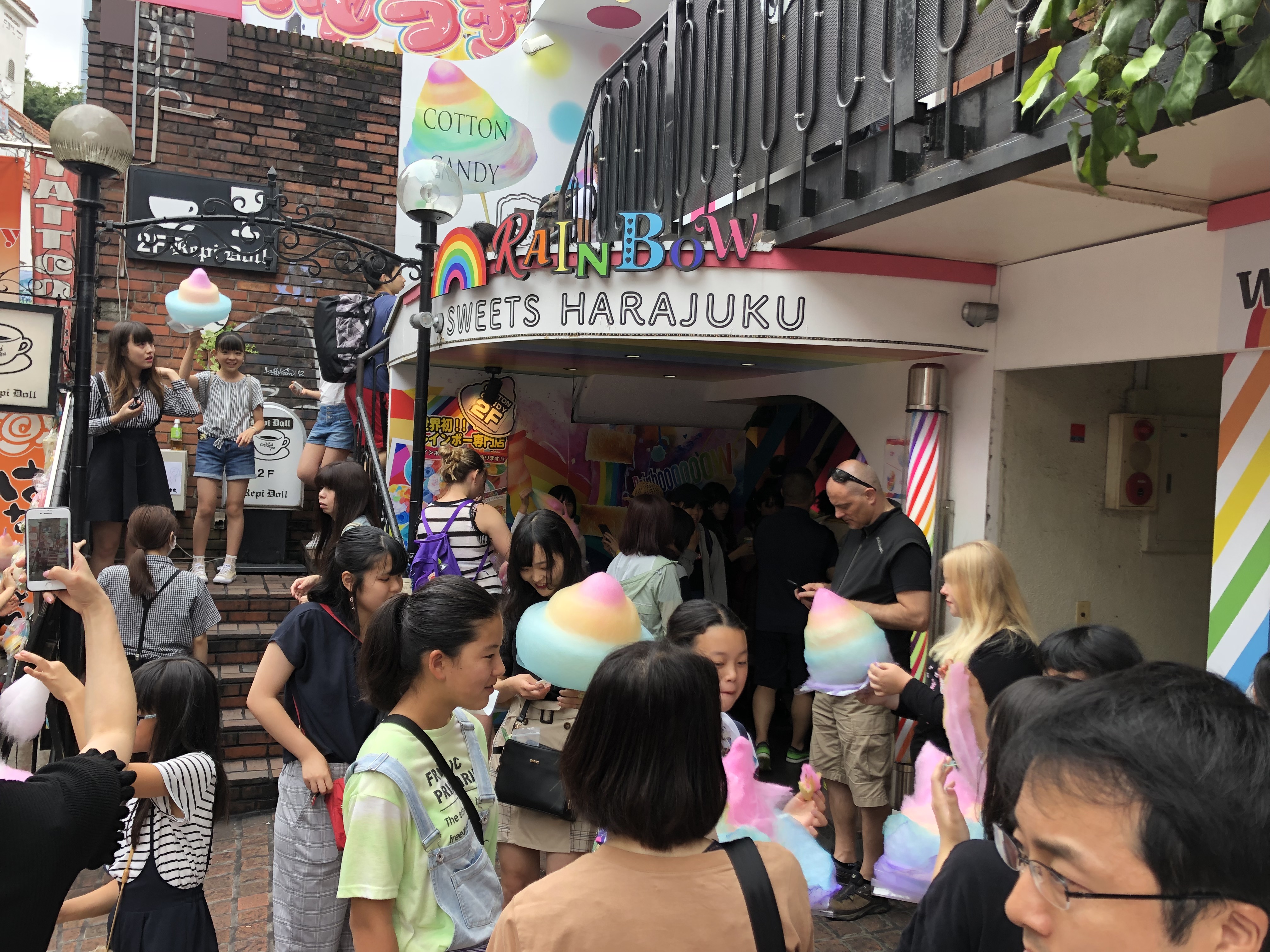
The images above depict a sweets store that specializes in rainbow coloured cotton candy. Following the theme of using bright colours, the storefront and product itself is very colorful, attracting countless teenage girls and some young adults, as seen above. It is also similar to the idol store as it is mainly young females that are shopping. In these pictures, not only are they eating the cotton candy, but they are also taking photos and likely sharing said photos on their social media, another important aspect of youth culture in Japan, which was briefly discussed in class as well.

Having visited Takeshita street before, it was interesting to see how many seemingly obvious things I missed after putting on my critical lenses on for this trip, making this visit feel like an entirely new experience despite little changes to the street itself.

Occhi, Debra J. “Kumamon: Japan’s Surprisingly Cheeky Mascot.” Introducing Japanese Popular Culture, edited by Alisa Freedman and Toby Slade, Routledge, Taylor & Francis Group, 2018, pp. 13-23

Mascots, why are there so many of them?

One of the first things people start to notice after spending a few days in Japan is the number of mascots and characters we see or are exposed to on a daily basis. While some of these mascots may seem like they are just for show, all of them have their own purpose and these purposes explain the longevity as well as popularity of some of these mascots.
undefined undefined

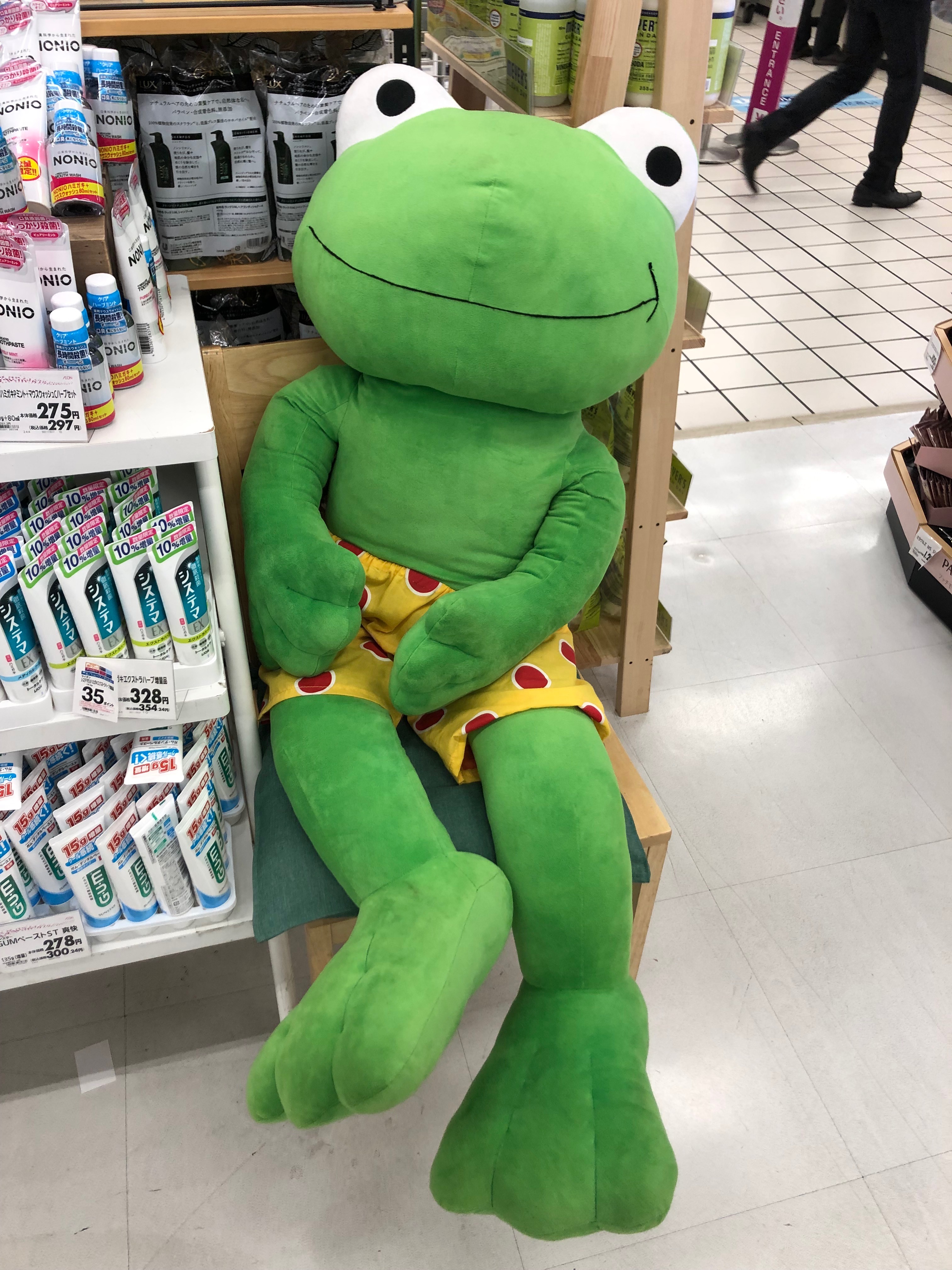
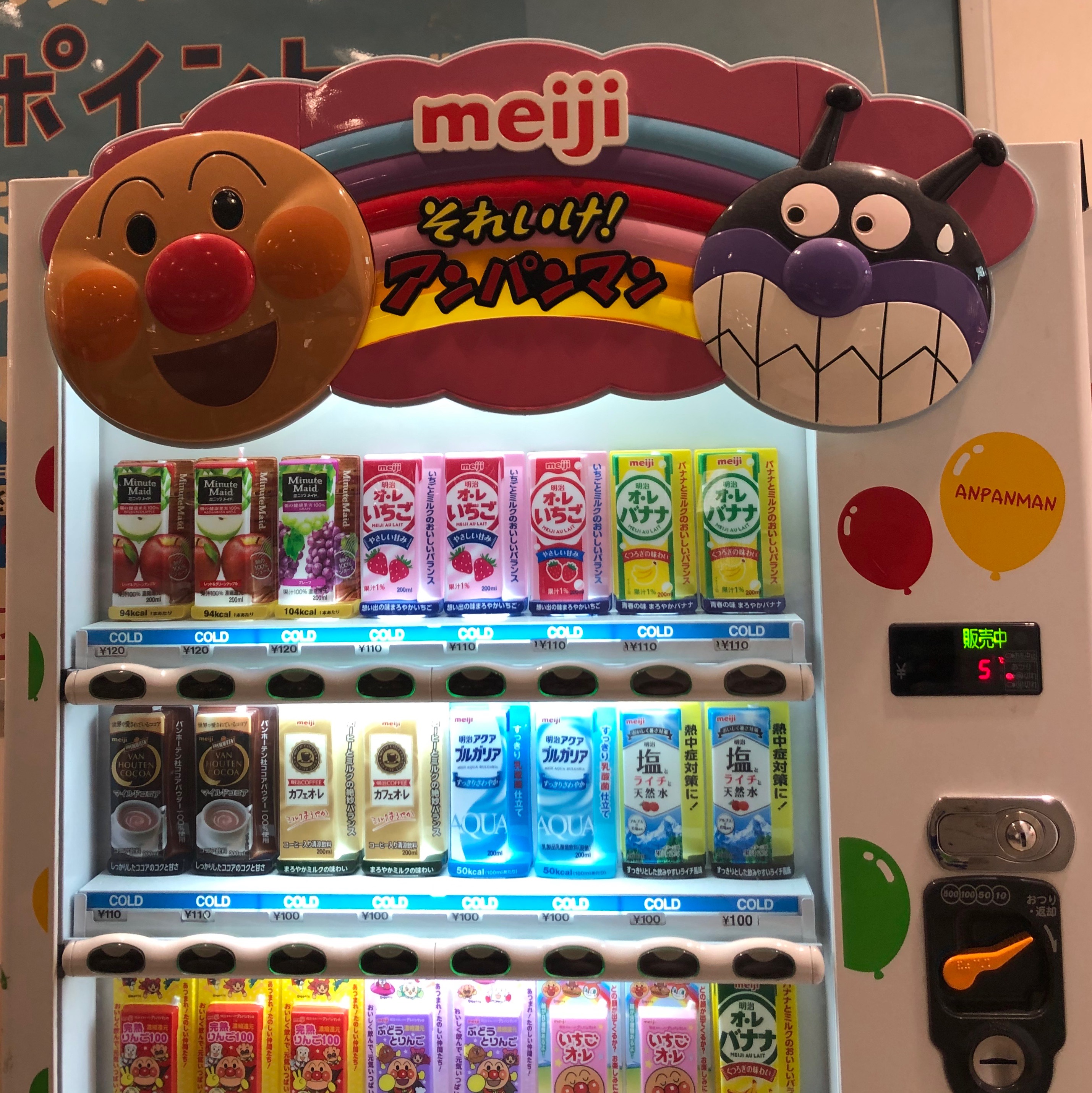
The first thing you may notice about the frog is that it isn’t actually a frog, but an anthropomorphized version of a frog. Anthropomorphized mascots are common in Japan as mascot characters themselves are derived from creature suits (Occhi). While the frog may seem like it is just sitting around at a department store, it is actually a mascot for a shampoo brand and serves to attract a target audience into looking and potentially purchasing their shampoo brand. The vending machine with Anpanman and Baikinman may seem to fulfill the same purpose but is even more effective in reaching out to its target audience. Anpanman is a show popular with kids and as seen from the image above, the vending machine sells mainly juices and Anpanman themed drinks. In class, we discussed about how the use of Anpanman being displayed on top of the vending machine is a great way to attract kids to bring their parents to help them buy drinks at this specific vending machine. The most important part about this vending machine is that it also offers a small selection of drinks catered to adults, mainly coffee, for the parents to buy as well when their kid asks them to buy a drink. This is why I thought that this vending machine made great use of mascots by not only attracting their target audience of kids but can also potentially sell even more to a different group of people as well.

One major reason for the vast number of mascots in Japan is due to its marketability not only to Japanese locals but to international tourists as well. Mascots are generally designed to be cute, or kawaii, in order to be commercialized and sold as kyarajuta guzzu, or character goods (Yano). Duffy the Bear is a great example of this in action.

During my trip to DisneySea, the one thing I noticed immediately was how popular Duffy was. There were welcome signs with his face on it, many parkgoers had Duffy related merchandise and there were even designated photo spots for your own Duffy plush throughout the park itself. The images above are only a small selection from the countless stores and stalls selling Duffy and Friends related products on my trip. As seen in said photos, these products include key chains, coin purses, headbands and even accessories for your own Duffy plush. Not only can these goods be considered as character goods, but they can also be called fanshii guzzu, or fancy goods. These “are goods that are small, cute, decorative personal items often marketed to young women” (Occhi).

The three women shown above are just one example of the successful use of fancy goods on young women not just in Disney but all throughout Japan. The sale of these goods not only provide revenues but also serve as a form of advertising, which is greatly valued by companies.  As such, many want to replicate this effect for their own, resulting in the abundance of mascots all throughout Japan, each with their own specific purpose and goal.

Occhi, Debra J. “Kumamon: Japan’s Surprisingly Cheeky Mascot.” Introducing Japanese Popular Culture, by Alisa Freedman and Toby Slade, Routledge, Taylor & Francis Group, 2018.
Yano, Christine R. “Hello Kitty Is Not a Cat?!? Tracking Japanese Cute Culture at Home and Abroad.” Introducing Japanese Popular Culture, by Alisa Freedman and Toby Slade, Routledge, Taylor & Francis Group, 2018.

Design a site like this with WordPress.com
Get started